
Conversations with a care team are an important part of cancer screening awareness and follow-up understanding. Clear communication helps individuals and families feel...

Talking With Your Care Team About Screening and Follow-Up
read more
Conversations with a care team are an important part of cancer screening awareness and follow-up understanding. Clear communication helps individuals and families feel...

Community events play an important role in shaping how people talk about health. When cancer awareness is included in everyday community gatherings, conversations feel...
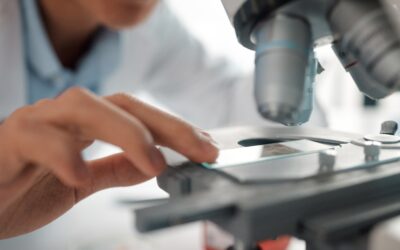
Follow-up testing is a normal and important part of cancer screening awareness. When a screening result suggests that more information may be helpful, follow-up testing...
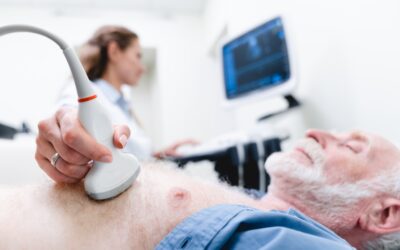
Receiving screening results can bring up many questions. Even when results are shared as part of routine health awareness, the language and timing can feel unfamiliar...

Cancer prevention is not the responsibility of one organization or group alone. Strong community partnerships play a critical role in spreading awareness, improving...
Cancer screening awareness is often discussed differently at various points in life. Age and life stage help provide context for why screening conversations may begin,...
Cancer risk awareness plays an important role in helping individuals understand why screening conversations exist and how they evolve over time. Learning about risk...

Environmental and lifestyle factors are often discussed in cancer education because they relate to everyday surroundings and long-term routines. Learning about these...

Learning about cancer risk factors is an important part of cancer education and awareness. Risk factors are characteristics, exposures, or life experiences that may...

Cancer does not affect only the person diagnosed. It also touches the lives of family members, friends, and loved ones who step into caregiving roles. Caregivers often...