


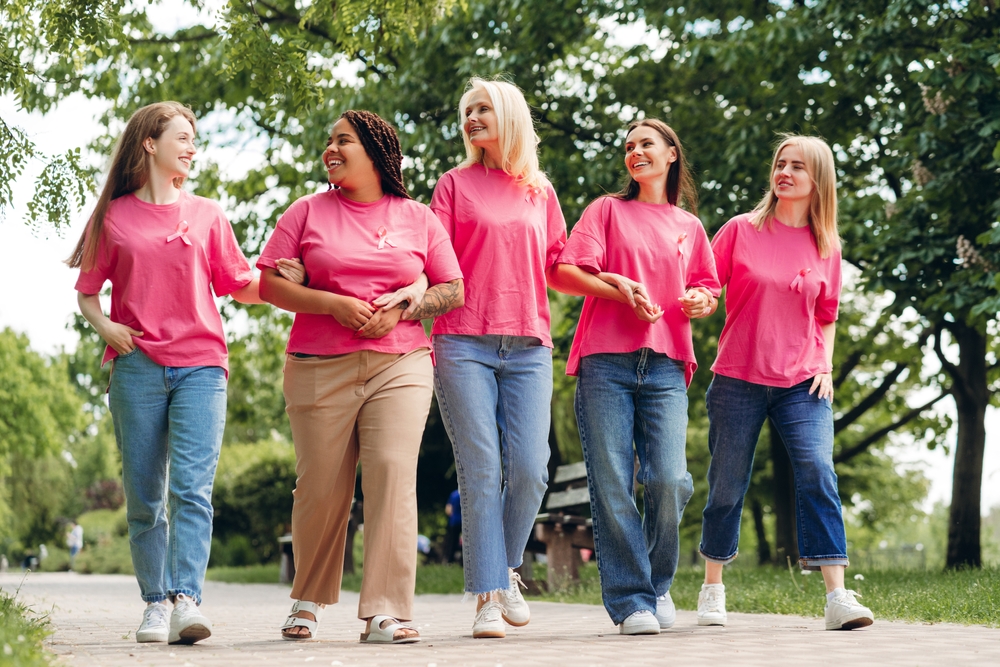
Sustainable community awareness campaigns help ensure that cancer education remains visible, trusted, and effective over time. Rather than one-time events, sustainable campaigns are designed to grow with the community, adapt to changing needs, and maintain consistent educational messaging without offering medical advice.
This article explores what makes community awareness campaigns sustainable, why long-term planning matters, and how communities can build lasting educational efforts rooted in trust and collaboration.
What Makes an Awareness Campaign Sustainable
A sustainable awareness campaign is one that can continue with available resources, community support, and clear purpose. Sustainability focuses on longevity, consistency, and relevance.
Key elements of sustainability include:
- Clear educational goals and boundaries
- Community involvement and ownership
- Adaptable strategies that evolve over time
- Responsible use of resources
The Centers for Disease Control and Prevention (CDC) emphasizes planning and community engagement as foundations of effective public health education.
Why Long-Term Awareness Efforts Matter
Cancer awareness is most effective when information is reinforced over time. Repeated, consistent exposure helps communities become more comfortable with awareness topics.
Long-term efforts matter because they:
- Build familiarity and trust
- Reduce misinformation through consistency
- Reach people at different life stages
- Support ongoing community learning
Short-term campaigns may raise visibility, but sustained efforts deepen understanding.
Setting Clear and Realistic Campaign Goals
Sustainable campaigns begin with clear, achievable goals. Goals should focus on education and awareness rather than outcomes or actions.
Effective awareness goals often include:
- Increasing general understanding of cancer awareness
- Promoting respectful conversations within the community
- Connecting people to trusted educational resources
- Normalizing cancer-related discussions
The National Cancer Institute (NCI) supports goal-setting that emphasizes education and clarity in community outreach.
Engaging the Community From the Start
Community involvement is essential for sustainability. When community members feel ownership, campaigns are more likely to continue.
Community engagement may include:
- Listening to community needs and feedback
- Involving local leaders and organizations
- Encouraging volunteer participation
- Reflecting community values and culture
Engaged communities help guide campaigns toward relevance and trust.
Building on Existing Community Structures
Sustainable campaigns often build on structures that already exist within communities rather than creating entirely new systems.
Existing structures may include:
- Community centers and libraries
- Schools and educational programs
- Faith-based organizations
- Local events and gatherings
Using familiar spaces reduces barriers and supports continuity.
Creating Consistent and Clear Messaging
Consistency in messaging helps reinforce awareness and prevents confusion. Messages should remain clear, calm, and educational.
Consistent messaging is supported by:
- Plain, non-medical language
- Unified themes across activities
- Use of trusted information sources
- Clear boundaries around education only
The World Health Organization (WHO) highlights consistency as a key principle in effective public communication.
Using a Mix of Awareness Activities
Varied activities help keep campaigns engaging and accessible to different audiences.
Awareness activities may include:
- Educational talks or workshops
- Printed and digital educational materials
- Community events and information booths
- Partnership-based outreach initiatives
These approaches align with efforts such as strengthening community partnerships for cancer awareness.
Planning for Resource Sustainability
Sustainable campaigns consider available time, funding, and volunteer capacity. Overextending resources can limit longevity.
Resource planning includes:
- Setting realistic activity schedules
- Sharing responsibilities among partners
- Using reusable and adaptable materials
- Seeking in-kind community support
Thoughtful planning helps ensure campaigns can continue without burnout.

Maintaining Momentum in Community Awareness Campaigns
One of the biggest challenges in long-term awareness efforts is maintaining momentum. After initial enthusiasm, campaigns can lose visibility if they are not intentionally refreshed and supported.
Momentum is maintained by:
- Scheduling regular, manageable awareness activities
- Refreshing materials and formats periodically
- Rotating leadership or volunteer roles
- Celebrating small milestones and participation
The Centers for Disease Control and Prevention (CDC) notes that sustained engagement is essential for effective community education.
Adapting Campaigns Without Losing Focus
Sustainable campaigns evolve over time, but adaptation should never compromise the core educational purpose. Changes should enhance relevance while preserving clarity and trust.
Responsible adaptation includes:
- Updating visuals or language to stay current
- Introducing new outreach channels when appropriate
- Adjusting activity frequency based on capacity
- Responding thoughtfully to community feedback
The World Health Organization (WHO) emphasizes adaptability as a strength of long-term public education initiatives.
Engaging New Participants Over Time
As campaigns continue, new community members join while others step back. Ongoing outreach helps keep awareness efforts inclusive and relevant.
New participant engagement may include:
- Welcoming new volunteers or partners regularly
- Introducing awareness efforts at community events
- Sharing information through multiple channels
- Ensuring materials remain accessible and inclusive
Welcoming new voices helps campaigns remain dynamic.
Balancing Consistency With Variety
Consistency builds trust, but variety maintains interest. Sustainable campaigns balance familiar messaging with varied delivery methods.
This balance may include:
- Repeating core awareness themes
- Using different formats such as talks, displays, or discussions
- Rotating venues and community settings
- Collaborating with different partners over time
Varied formats help reach people with different preferences and learning styles.
Strengthening Volunteer and Partner Engagement
Volunteers and partners are central to campaign sustainability. Ongoing support helps prevent burnout and disengagement.
Engagement is strengthened by:
- Clear communication and expectations
- Recognition of contributions
- Opportunities for feedback and involvement
- Shared decision-making where appropriate
The American Cancer Society highlights recognition and support as key factors in long-term community engagement.
Using Feedback to Guide Campaign Direction
Feedback helps campaigns stay aligned with community needs. Listening demonstrates respect and builds trust.
Feedback may be gathered through:
- Informal conversations at events
- Partner and volunteer check-ins
- Community listening sessions
- Observation of participation trends
Using feedback responsibly helps guide thoughtful adjustments.
Managing Resources Wisely Over Time
Resource management is critical for sustainability. Campaigns that overextend may struggle to continue.
Wise resource management includes:
- Prioritizing high-impact, low-burden activities
- Reusing and adapting materials
- Sharing responsibilities across partners
- Planning realistic timelines
The National Cancer Institute (NCI) supports thoughtful planning to maintain effective education initiatives.
Keeping Campaigns Community-Centered
Sustainable awareness campaigns remain grounded in community values and experiences. Community-centered approaches help ensure relevance and trust.
Community-centered practices include:
- Reflecting local culture and language
- Partnering with trusted local organizations
- Respecting diverse comfort levels
- Emphasizing education over persuasion
These practices help campaigns remain meaningful and respectful as they continue over time.
Long-Term Impact of Sustainable Awareness Campaigns
When community awareness campaigns are designed for sustainability, their impact grows steadily over time. Rather than relying on short bursts of attention, sustainable campaigns create familiarity, trust, and ongoing learning within the community.
Long-term impact includes:
- Greater comfort with cancer-related conversations
- Increased trust in educational information
- Reduced misinformation through repeated exposure
- Stronger community engagement and participation
The Centers for Disease Control and Prevention (CDC) recognizes sustained, community-driven education as a key factor in effective public health awareness.
Building Community Ownership Over Time
Sustainable campaigns gradually shift ownership from organizers to the community itself. When people feel a sense of shared responsibility, awareness becomes part of community culture rather than an external initiative.
Community ownership is strengthened by:
- Ongoing opportunities for participation and feedback
- Visible roles for volunteers and local leaders
- Recognition of community contributions
- Adaptation to local needs and priorities
The World Health Organization (WHO) emphasizes community ownership as a foundation of lasting public education efforts.
Adapting Campaigns as Communities Change
Communities evolve over time, and sustainable campaigns must be flexible. Adaptation helps awareness efforts remain relevant without losing their core educational purpose.
Adaptation may include:
- Updating language and materials
- Introducing new outreach formats
- Expanding partnerships with emerging organizations
- Responding to community feedback and interests
Flexibility allows campaigns to grow alongside the communities they serve.
Strengthening Trust Through Consistency
Consistency builds trust. When communities repeatedly encounter calm, reliable messaging, confidence in awareness efforts increases.
Trust is reinforced through:
- Regular presence of awareness activities
- Clear educational boundaries
- Use of trusted information sources
- Respectful, non-alarming communication
The American Cancer Society highlights consistency and clarity as essential elements of effective cancer awareness.
Supporting Collaboration and Shared Responsibility
Sustainable campaigns thrive when responsibility is shared across organizations and community members. Collaboration reduces burnout and strengthens resilience.
Shared responsibility may involve:
- Rotating leadership or coordination roles
- Joint planning across partner organizations
- Shared use of resources and spaces
- Collective evaluation and reflection
These practices align with strengthening community partnerships for cancer awareness, reinforcing coordinated efforts.
Measuring Success Responsibly
Success in sustainable awareness campaigns is not measured by immediate outcomes, but by engagement, reach, and continuity.
Responsible indicators of success include:
- Ongoing participation levels
- Community feedback and engagement
- Consistency of awareness activities over time
- Strength and longevity of partnerships
The National Cancer Institute (NCI) supports evaluation approaches that focus on education quality and community engagement.
Looking Ahead
Creating sustainable community awareness campaigns ensures that cancer education remains accessible, trusted, and relevant. Through consistency, collaboration, and adaptability, communities can build awareness efforts that endure.
By investing in long-term planning and shared responsibility, communities can foster understanding, empathy, and informed dialogue for generations to come.
Disclaimer
Disclaimer: This content is for general education only and is not medical advice. Always consult a licensed healthcare professional for guidance about your health.



0 Comments