


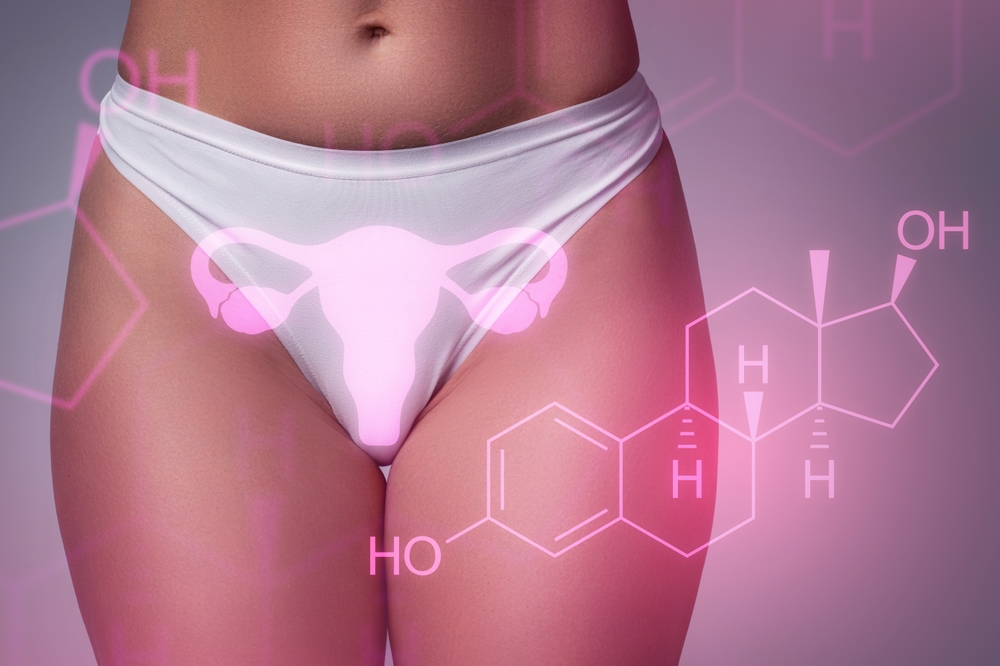
Sexual health changes are something many people notice but don’t often talk about openly during cancer treatment. Many people see differences in desire, comfort, closeness, or how they feel about their bodies during and after treatment. These changes can happen to people of all ages, genders, and relationship types. This article talks about how people often describe sexual health changes during and after cancer treatment. It does not explain how treatments work or give medical advice. Sexual health experiences are very personal and can change over time. They are affected by physical effects, feelings, body image, and relationship changes.
Sexual health as a whole-person experience
Sexual health is more than just physical ability. It includes emotional connection, self-image, closeness, desire, comfort, and talking with others. Cancer treatment can affect one or more of these areas at the same time, which might make changes feel complicated or confusing. Some people notice changes right away during treatment, while others see changes later. According to the National Cancer Institute, sexual health concerns are common during and after cancer care and can include both physical and emotional issues.
Changes in desire and interest
One of the most common things people report is a change in sexual desire. Some people feel less interested in sexual activity, while others notice desire changing from day to day or week to week. These changes can feel surprising, especially if someone used to have steady interest. Desire can be affected by tiredness, discomfort, emotional stress, or changes in how someone feels about their body. Even when relationships are strong, changes in desire can feel confusing or worrying.
Physical comfort and sensitivity
Physical comfort during closeness may change during treatment. People might feel more sensitivity, dryness, discomfort, or changes in how their body reacts to touch. These feelings can affect confidence and the wish to be sexual. Some people say they notice their bodies more during intimate moments, which might increase discomfort or worry. The Mayo Clinic says that physical changes from cancer treatment can affect sexual comfort and reactions.

Body image and intimacy
Changes in how someone looks—like hair loss, skin changes, weight changes, or scars from surgery—can affect how they feel about their body. Feeling less confident or not recognizing one’s body can change how comfortable someone feels with intimacy. Some people avoid intimacy not because they don’t want it, but because they feel shy or scared about being seen differently. These feelings are common and often change over time.
Emotional closeness and connection
While some people have problems with physical intimacy, others notice changes in emotional closeness. Intimacy might shift to being more about emotional connection, support, or closeness without sexuality during treatment. These changes don’t make intimacy less important; they show how people adjust to new situations. Resources from the American Cancer Society say that intimacy can take many forms during cancer treatment.
Impact on relationships
Sexual health changes can affect how relationships work. Partners might feel unsure about starting intimacy or worry about causing discomfort. People getting treatment might feel pressure to meet expected roles or feel guilty about changes in desire. Talking openly can be hard but may help reduce misunderstandings. How relationships respond to sexual health changes is very different for each couple and often changes over time.
Sexual health concerns for individuals without partners
Sexual health changes also affect people who don’t have a partner right now. Worries about future intimacy, dating, or feeling good about their body might come up during or after treatment. These concerns can affect self-esteem and how they view the future. Public health information from the Centers for Disease Control and Prevention says that quality-of-life concerns, including sexual health, are important parts of surviving cancer.
Variability and uncertainty
Sexual health during cancer treatment is often hard to predict. Desire, comfort, and emotional readiness can change a lot. What feels okay one week might feel different the next. Knowing that changes are common may help people deal with sexual health changes without being hard on themselves. This first part has talked about how sexual health changes are common during and after cancer treatment. Next, we will look at how these changes affect talking with others, emotional health, and adjusting over time.
Communication and emotional well-being during sexual health changes
As sexual health changes happen during cancer treatment, many people find that these experiences affect communication, feelings, and relationships. Because sexuality is connected to who we are, how open we feel, and connection with others, even small changes can feel very personal.
Communication challenges around sexual health
Talking about sexual health can be hard in any situation. During cancer treatment, talking about intimacy may feel even harder. People may find it difficult to explain changes in desire, comfort, or confidence. Some avoid these talks because they fear hurting their partner’s feelings or creating awkward moments. Others worry that talking will make things more emotional. According to the National Cancer Institute, communication struggles about sexual health are common during and after cancer care.
Partner responses and misunderstandings
Partners may react to sexual health changes in many ways. Some feel unsure about starting intimacy because they worry about causing discomfort or upsetting feelings. Others may think less desire means rejection or loss of attraction, even if that’s not true. These misunderstandings can make people feel emotionally distant if they are not talked about. Many couples find that sexual health changes need ongoing adjustment, not just one talk.
Emotional impact on self-esteem
Sexual health changes can affect how people feel about themselves. Less desire, changes in how their body responds, or discomfort in intimacy can lower self-esteem and body confidence. People may compare themselves to how they were before treatment or worry about what’s expected. These worries are not just for people in relationships. Single people may worry about dating, sharing their cancer history, or future intimacy. The American Cancer Society says worries about sexual self-image are common during and after cancer treatment.
Intimacy beyond sexual activity
Many people notice changes in how intimacy happens during treatment. Physical closeness can include holding hands, cuddling, or emotional talks instead of sexual activity. For some, this change makes emotional bonds stronger; for others, it can feel like a loss or frustration. Knowing that intimacy can be many things may help people and couples handle times when sex feels hard or less possible.
Timing and readiness
Feeling ready emotionally and physically for intimacy may not happen at the same time. Some feel emotionally interested but physically uncomfortable, while others feel okay physically but not ready emotionally. These differences can be confusing. Readiness may also change over time. What feels okay one month may feel different the next. The Mayo Clinic explains that sexual health concerns during cancer treatment often go up and down and need flexibility.
Caregiver and partner emotional strain
Partners and caregivers may feel their own emotions about sexual health changes. They might feel helpless, confused, or sad when intimacy changes. These feelings can exist with strong care and commitment. When both partners feel unsure, they may talk less. Knowing that emotional stress is shared can help reduce blame and build understanding.
Cultural and personal beliefs
Ideas about sexuality, gender roles, and intimacy affect how sexual health changes are felt. Cultural or religious beliefs may cause feelings of guilt, duty, or silence about sexual concerns. These beliefs can affect how comfortable people feel talking about sexual health with partners or doctors.
The invisibility of sexual health concerns
Sexual health changes often can’t be seen by others. Unlike visible side effects, these issues may stay private and make people feel alone or not supported. The Centers for Disease Control and Prevention says concerns about quality of life, including sexual health, are important but sometimes ignored in cancer survivorship.
Adapting expectations over time
Many people say their goals about sexuality change during treatment. Instead of trying to return quickly to how things were before treatment, they often focus on comfort, connection, and emotional safety. This change doesn’t mean giving up on sexual health. It means getting used to what is needed now. This section has looked at how sexual health changes during cancer treatment can affect talking, self-esteem, and relationships. The last part will talk about how these experiences change over time and what people notice during recovery and longer-term adjustment.
Long-term changes and recovery in sexual health
As cancer treatment goes on or ends, many people see their sexual health experiences keep changing. For some, desire and comfort slowly come back; for others, changes continue or shift in different ways. Understanding these long-term patterns can help reduce worry and support adjustment.
How sexual health may change over time
Sexual health during and after cancer care usually doesn’t follow a straight path. Some people slowly improve in desire, comfort, or confidence after treatment, while others have ups and downs. These patterns are common and very different for everyone. The National Cancer Institute says sexual health concerns may continue and change over time as the body and feelings adjust.
Sexual health after active treatment ends
Many people expect sexual health to bounce back fast after treatment ends. When it doesn’t, they might feel disappointed or confused. Recovery often needs patience because physical healing, emotional processing, and body confidence improve at different speeds. Some find their interest comes back before comfort, while others feel physically ready before they want intimacy emotionally. Both are normal.
Lingering changes and emotional interpretation
Ongoing sexual health changes may carry emotional meaning. People might worry these changes are permanent or feel upset if progress is slow. These feelings are normal and show how important intimacy and self-connection are. Guidance from the World Health Organization says recovery after cancer care includes ongoing physical, emotional, and relationship adjustment.
Rebuilding confidence and comfort
Over time, many describe gaining back confidence around intimacy. Comfort may come slowly through learning about their body, talking, and paying attention to body signals. Confidence often grows along with trust in their body. Some say intimacy means something new after treatment, focusing more on connection and being present than on performance.
Ongoing communication and support
Keeping communication open with partners, healthcare teams, or trusted helpers is often important if sexual health concerns stay. Sharing experiences openly can reduce loneliness and build understanding. Resources from the American Cancer Society say sexual health support is an important part of living after cancer.
Individual timelines and personal meaning
There is no set time for sexual health recovery. Some people get better in a few months, while others take longer to feel comfortable or interested. Personal values, relationships, and past experiences all affect this process. Giving space for personal pace can help emotional health and reduce pressure.
Integrating sexual health changes into daily life
For many, sexual health changes become one part of a bigger recovery story instead of the main focus. As daily life feels more normal and confidence grows, intimacy often feels easier, even if it’s not the same as before. This article ends the talk about sexual health changes during and after cancer treatment. The next articles in this series will cover fertility, long-term side effects, and life after treatment.
Disclaimer
Disclaimer: This content is for general education only and is not medical advice. Always talk to a licensed healthcare professional for advice about your health.



0 Comments