


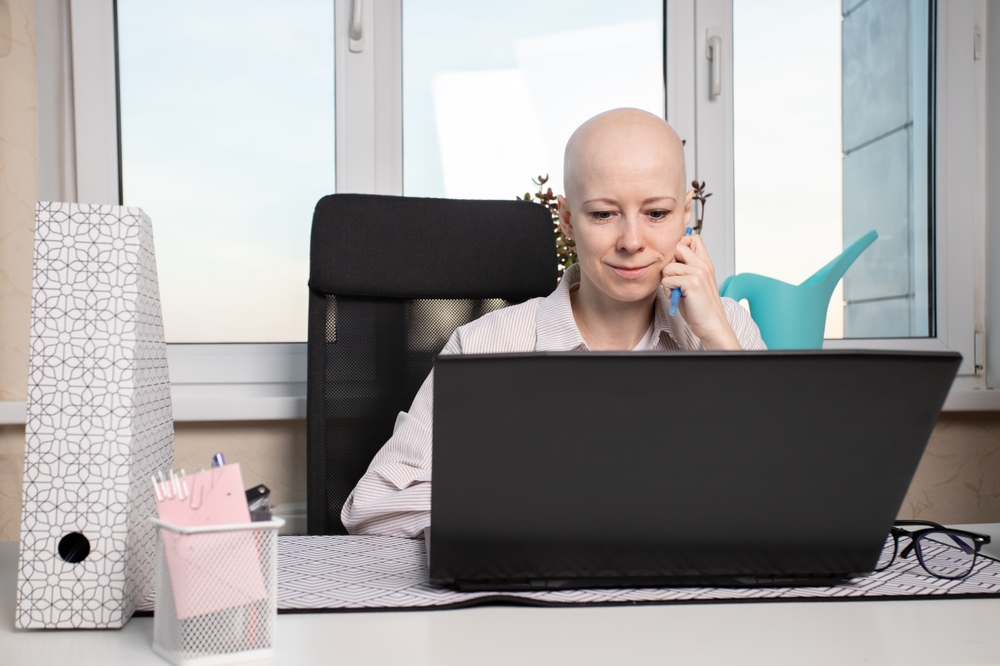
As recovery continues after cancer treatment, many people notice that changes go beyond just physical healing. Identity, relationships, confidence, and emotional balance often change during this time. These changes might be small or big and usually happen slowly instead of all at once.
Changes in identity after treatment
After treatment ends, some people have a hard time figuring out how they see themselves. While getting care, being a “patient” might feel like the main part of who they are. When that role fades, they might feel unsure about who they are now or how to explain what they went through. Some feel pressure to go back to their old selves, while others feel different in ways that are hard to explain. The National Cancer Institute says that changing how you see yourself is a normal part of being a survivor.
Confidence and trust in the body
Trusting your body again often takes time. Feeling tired, uncomfortable, or noticing strange feelings can make people question what their body can do. Things that used to feel easy may now need more planning or care. Being careful is not weakness. It is a natural reaction to a time when the body seemed uncertain. Over time, confidence usually grows as people learn their body’s limits.
Relationships and shifting dynamics
Relationships can change during recovery. Some feel closer to family and friends, while others notice distance or tension. Roles that shifted during treatment—like needing care or helping care—might have to be adjusted again. Friends and family might expect that things will be emotionally finished once treatment ends, but the person may still be working through their feelings. The Centers for Disease Control and Prevention say that changing relationships is a normal part of life after cancer.
Emotional vulnerability and sensitivity
Many people feel stronger emotions during recovery. Small problems might seem bigger, and feelings can come up suddenly. This emotional sensitivity often shows the build-up of stress, not an ongoing crisis. Times of calm may switch with times of worry or sadness. These feelings are normal and usually get less as emotions balance out.
Work, roles, and expectations
Going back to work or taking on duties again can feel both good and hard. Some want to get back to routine, but others have trouble with energy, focus, or confidence. Expectations—from yourself or others—can add pressure. The American Cancer Society says adjusting to work and daily roles is a continuing process for survivors.
Social comparison and “moving on”
Seeing others move forward in life can cause mixed feelings. Some feel hopeful, while others feel left behind. Social media and public events can make these feelings stronger. Letting go of comparing yourself to others takes time and kindness. Recovery is personal and doesn’t follow one set schedule.
Finding meaning in the recovery phase
Some start thinking about what matters most during recovery. This might mean rethinking goals, relationships, or values. These thoughts might bring clarity, confusion, or both. Finding meaning is not required, nor does it happen right away. For many, it comes slowly as life steadies. This section has looked at how life after treatment can change identity, relationships, confidence, and feelings. Next, we will talk about how recovery keeps changing over time and what people often notice months or years after treatment ends.
Months or even years after cancer treatment ends, recovery often continues to evolve.
For many, life slowly finds a new normal, but cancer’s impact may still be there in small ways. Understanding how recovery usually happens over the long term helps people see that ongoing changes are normal.
How recovery often changes with time
Over time, many people say their strength and comfort slowly get better. Lingering side effects may become less harsh or less a part of daily life. Even if some changes stay, they often feel more predictable and easier to handle. The National Cancer Institute explains that recovery after cancer treatment is a long process that can go on well past active care.
Living with lingering effects
Some people still feel effects like tiredness, changes in feeling, or being very aware of their body months or years later. These effects can come and go, appearing during stress, sickness, or busy times. Many learn to adjust their daily habits and plans to live with these changes without letting them define who they are.
Emotional integration of the cancer experience
Emotionally, many say they slowly fit the cancer experience into their life story. It stops feeling like a crisis and becomes one part of their history that shapes how they see life and build strength. Worries or reflections might still come up, especially on anniversaries or during doctor visits. The Centers for Disease Control and Prevention note that emotional feelings may return sometimes during survivorship.
Reclaiming confidence and independence
As time goes on, many feel more confident in handling daily life. Independence grows as energy comes back and routines settle. Things that once felt hard may feel easier again. Confidence doesn’t always mean going back to before treatment. For some, it means trusting their ability to adapt, not just physical strength.
Relationships over the long term
Relationships keep changing after treatment. Some get closer through shared experience, while others change as life priorities shift. Talking about ongoing needs may get easier with time. The American Cancer Society says that adjusting relationships is a long-term part of being a survivor.
Letting go of the idea of “back to normal”
Many find peace by giving up the idea of going exactly back to how life was before cancer. Instead, recovery means building a “new normal” that fits changed priorities, limits, and strengths. This can feel freeing and lets people focus on what they can handle instead of what is expected.
Growth, reflection, and meaning
Some notice personal growth during long recovery, like more kindness to others, clear values, or stronger limits. Others may not see specific growth but feel happy with steady life. There is no rule to find meaning in the experience. Recovery is real whether it comes with reflection, growth, or just moving forward.
Looking ahead with flexibility
Life after treatment usually includes ongoing flexibility. Bodies, emotions, and priorities may keep changing. Many say they feel better prepared to adjust after going through treatment and recovery. This ability to adapt is one lasting result of the recovery process. This article ends the talk about life after cancer treatment and what recovery may look like over time. The next articles will look at lingering effects months or years after treatment, follow-up symptoms, and ongoing adjustment after care ends.
Months or even years after cancer treatment ends, some people notice lingering effects that continue to shape daily life.
These effects may be physical, mental, emotional, or sensory, and they often show in small ways. Not everyone has long-term effects, but many describe ongoing changes that need patience and adjustment. This article talks about how people often describe lingering effects after cancer treatment. It does not explain medical causes or give medical advice. Long-term experiences vary a lot and may change over time.
What people often mean by “lingering effects”
Lingering effects usually mean changes that last long after active treatment ends. These can include tiredness, sensitivity to physical stress, changes in thinking, or being more aware of the body. For some, effects are mild and come and go. For others, they are more obvious and change daily life. The National Cancer Institute says some treatment effects can last months or years.
Fatigue that feels different from before
Long-term tiredness is one of the most common lingering effects. People might feel able but get tired faster than before. Energy comes and goes, with good days then days of exhaustion. This tiredness feels different from normal. Rest helps but may not fully bring back energy, which can be frustrating or confusing.
Heightened body awareness
Many say they notice their bodies more after treatment. Small aches, changes in feeling, or comfort changes may get more attention than before cancer. This awareness can protect people by helping them listen to their body’s needs. But it can also feel tiring when feelings come often or unpredictably.
Cognitive and concentration changes
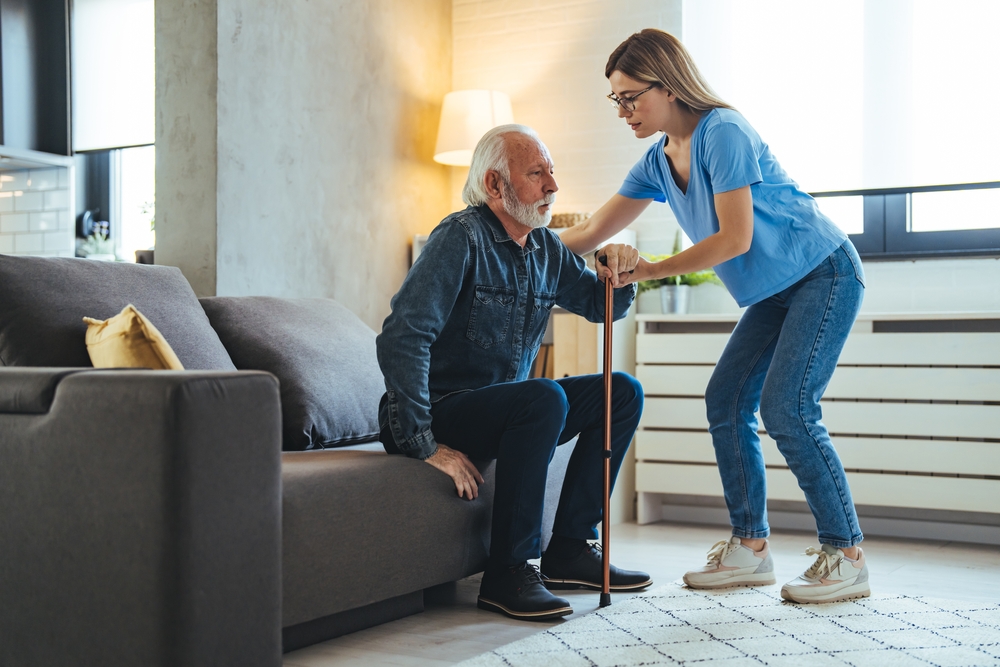
Some notice changes in thinking months or years later. This can include slower thinking, trouble focusing for long times, or mental tiredness. The Cleveland Clinic says cognitive changes linked to cancer treatment may last but often slowly get better.
Sensory and physical sensitivity
Lingering sensitivity can mean skin pain, temperature issues, pain feelings, or changes in taste and smell. These won’t always interfere but can show during stress, sickness, or busy times. The Centers for Disease Control and Prevention says long-term physical effects are part of survivorship for some people.
Emotional echoes of treatment
Even as the body heals, emotional effects might last. Some feel anxiety, startling easily, or emotional sensitivity tied to treatment memories. These feelings may come and go. They often get less with time and support.
Variability over months and years
One hard thing about lingering effects is they can come and go. Symptoms might get better but still change. Good times can be followed by bad times without a clear reason. Knowing that changes are normal can help people handle lingering effects with patience instead of frustration. This first section has shown how lingering effects months or years after cancer treatment are often felt. The next part will talk about how these changes affect daily life, identity, and feelings.
Disclaimer
Disclaimer: This content is for general education only and is not medical advice. Always consult a licensed healthcare professional for guidance about your health.


0 Comments