


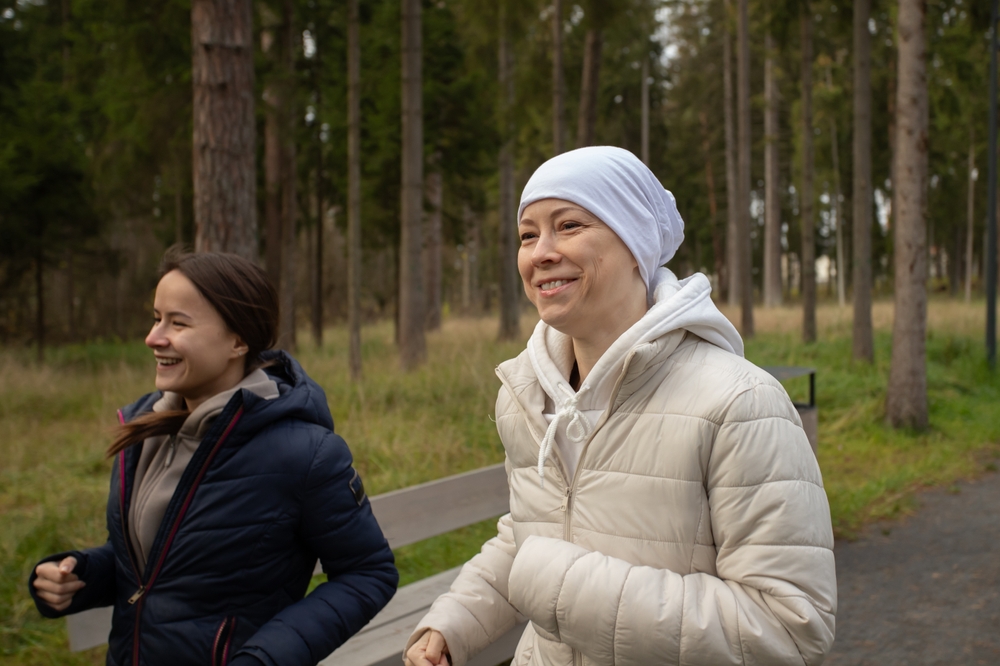
Many people notice that energy during cancer treatment is not just “low” or “high,” but changes unevenly. Energy may change a lot from morning to afternoon or from day to evening, often in ways that feel new or strange.
Instead of feeling tired all the time, people often describe waves of energy and tiredness. These changes can affect how the day is planned and how activities are spread out.
According to the National Cancer Institute, cancer-related tiredness often changes during the day and does not always get better with rest (cancer.gov).
Morning Energy: When the Day Feels Most Possible
For some people, mornings feel like the easiest part of the day. After resting, energy may feel higher, even if it is not the same as before treatment.
Morning energy may include:
- Clearer thinking and focus
- Better physical balance
- More motivation to finish tasks
The Mayo Clinic says that people with treatment-related tiredness often have better energy earlier in the day, before they get more tired from activity (mayoclinic.org).
Why Mornings Are Not Always Predictable
While mornings may feel better for some, this is not true for everyone. Problems like poor sleep, pain, nausea, or anxiety can affect how rested a person feels when they wake up.
People may wake up feeling:
- Stiff or sore
- Mentally foggy
- Already tired even after sleeping
The National Sleep Foundation explains that illness and treatment schedules can stop good sleep, which affects morning energy (sleepfoundation.org).
Midday Energy Shifts and Plateaus
As the day goes on, many people notice changes in energy levels. This may look like a steady level of energy for a while or a slow drop.
Midday energy changes may include:
- Needing more breaks
- Less energy for physical activity
- Harder to keep attention
The American Cancer Society says that doing activities earlier in the day can help lower midday energy drops (cancer.org).
The Role of Appointments and Treatment Timing
Medical appointments, treatments, or travel for care can greatly affect daily energy. Even short procedures can be physically and emotionally tiring.
People often say:
- Energy drops after appointments
- Needing rest after treatment days
- Planning fewer activities on medical days
The Cleveland Clinic explains that stress from healthcare and physical effort add to tiredness beyond the treatment itself (my.clevelandclinic.org).
Afternoon Fatigue: A Common Turning Point
Afternoon hours are often called a turning point. Energy that felt okay earlier may start to drop more clearly.
Afternoon tiredness may show as:
- Feeling heavy in the body
- Slower movement or reaction time
- Less desire to be social
The National Comprehensive Cancer Network says that tiredness during treatment builds up and often gets worse later in the day (nccn.org).
How People Begin Adjusting Their Days
As people notice these energy patterns, many start to change how they plan their day.
Common changes include:
- Doing important tasks earlier
- Keeping afternoons lighter and more flexible
- Resting before energy drops too much
These changes show adjustment, not limits.
Evening Energy: When Fatigue Becomes More Noticeable
For many people in cancer treatment, evenings are when tiredness feels strongest. Energy that was okay earlier may drop a lot, making even simple tasks hard.
This change is not a sign of doing something wrong during the day. It shows the build-up of physical activity, mental effort, treatment side effects, and emotional stress.
According to the National Cancer Institute, cancer-related tiredness often gets worse later in the day as the body’s energy runs low (cancer.gov).
What Evening Fatigue Often Feels Like
Evening tiredness is often described differently than normal tiredness. It may feel heavier, last longer, and not get better with rest.
People often say they feel:
- Physical heaviness or weakness
- Hard to stand or walk for long
- Less patience or emotional strength
- A strong wish to rest and be alone
The Mayo Clinic notes that tiredness from medical treatment often includes both body and mind exhaustion (mayoclinic.org).
How Evening Energy Affects Daily Routines
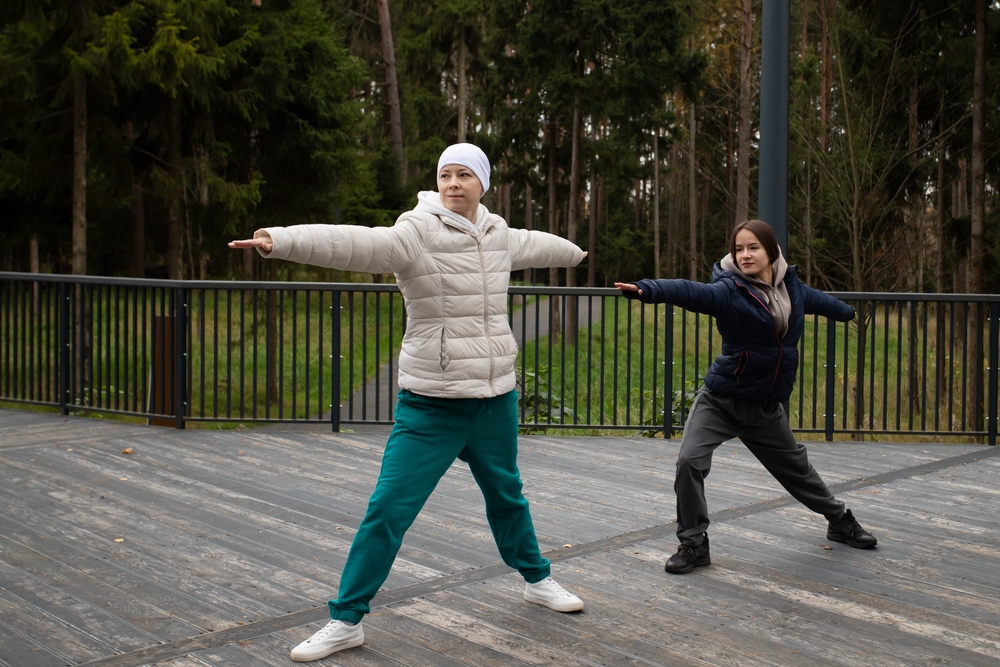
As evening tiredness becomes regular, many people change their routines. Activities that used to happen later may be moved earlier or made simpler.
Common changes include:
- Eating simpler or earlier dinners
- Doing fewer evening social activities
- Getting ready for the next day earlier
- Taking more time to relax
The National Institute on Aging says that matching routines to energy levels helps keep comfort and reduce frustration (nia.nih.gov).
Emotional Effects of Evening Energy Loss
Evening tiredness can affect feelings as well as the body. Some people feel sad or upset when energy fades, especially if evenings used to be a time to relax or connect with others.
Emotional feelings may include:
- Frustration about unfinished tasks
- Sadness or grief over changed routines
- Irritability due to tiredness
The American Society of Clinical Oncology says that emotional changes from tiredness are common and normal during treatment (cancer.net).
Sleep Pressure vs. Restorative Sleep
Even if people feel very tired in the evening, some have trouble sleeping well. Being tired does not always mean good, restful sleep.
People may notice:
- Falling asleep early but waking up often
- Hard to fall asleep even when very tired
- Light or unrefreshing sleep
The National Sleep Foundation says illness, stress, and medicine timing can hurt sleep quality (sleepfoundation.org).
How People Begin Pacing the Entire Day
As energy patterns become clear, many start pacing their whole day with evening tiredness in mind. This means using energy wisely earlier and having easier demands later.
Pacing may include:
- Stopping activities before feeling very tired
- Keeping evenings easy and low-demand
- Seeing rest as getting ready, not giving up
The American Cancer Society says pacing is a smart way to handle changing energy, not a sign of quitting (cancer.org).
Variability From Day to Day
Not every day follows the same energy pattern. Some evenings may feel easier, while others feel more tiring, even with similar activities.
This difference is affected by:
- When treatments happen and recovery cycles
- How well they slept the night before
- Stress or anxiety
- Food and drink
Knowing that changes are normal can help people feel less blame.
When Energy Changes Feel Especially Discouraging
Sometimes during cancer treatment, changing energy can feel emotionally hard. When energy fades earlier than expected, it can cause frustration, sadness, or doubt.
These feelings are normal and understandable. Energy loss is not failure—it shows how treatment affects the body’s ability to keep going.
According to the National Cancer Institute, tiredness during cancer treatment is caused by many physical and emotional factors and can change day to day (cancer.gov).
Adjusting Expectations Without Losing Confidence
One of the hardest parts is changing what a “productive” or “good” day means. Many people find that what they expected before treatment does not match their current energy.
Helpful ways of thinking may include:
- Seeing rest as part of treatment, not a break
- Measuring success by comfort and feeling well
- Letting plans change without feeling guilty
The American Cancer Society says changing expectations can lower emotional stress from tiredness (cancer.org).
Emotional Adaptation to Daily Energy Limits
Over time, many people slowly adjust emotionally to energy limits. While frustration may still happen, it often becomes easier to be kind to themselves instead of critical.
This adjustment may include:
- Planning fewer but more meaningful activities
- Stopping comparisons to past energy levels
- Seeing progress in small ways
The National Institute of Mental Health says self-kindness and flexibility help emotional strength during health problems (nimh.nih.gov).
The Role of Communication and Support
Talking openly about energy changes can help people feel less alone. Many feel better when they share their experience with caregivers, family, or healthcare teams.
Support may include:
- Changing schedules or duties
- Setting shared expectations with loved ones
- Getting reassurance from healthcare providers
The American Society of Clinical Oncology says talking about tiredness and energy changes helps make care better (cancer.net).
Energy Patterns as Information, Not Limitation
Many people start to see daily energy patterns as helpful information, not limits. Knowing when energy goes up and down can guide choices without judgment.
This view often leads to:
- More realistic planning
- Less emotional stress
- More confidence in daily decisions
Key Takeaways About Energy From Morning to Night
- Energy during treatment often changes throughout the day
- Mornings may feel easier, with tiredness building later
- Evening tiredness is common and builds up
- Emotional feelings about energy changes are normal
- Changing routines helps keep comfort and confidence
Understanding how cancer treatment changes energy from morning to night helps make this experience feel normal. Being aware, pacing yourself, and being kind to yourself help many people handle daily energy changes more easily.
Disclaimer
Disclaimer: This content is for general education only and is not medical advice. Always talk to a licensed healthcare professional for advice about your health.



0 Comments