


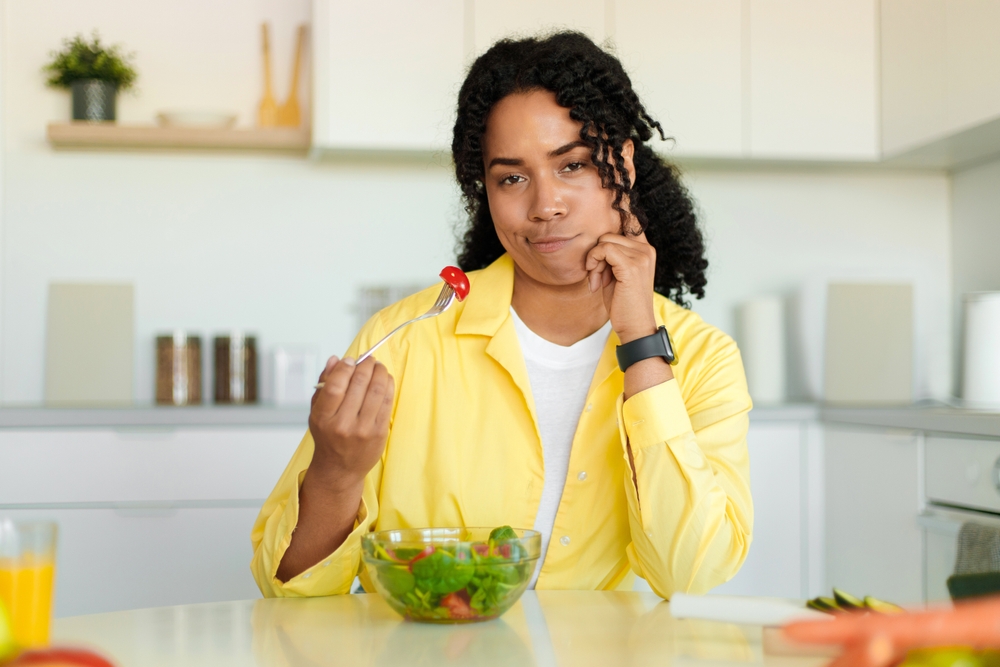
Changes in taste, smell, and overall enjoyment of eating are often reported during cancer treatment. Foods that used to taste normal may taste different, smells may seem stronger or weaker, and meals might not feel as good as before. These changes can be surprising and sometimes upsetting, especially when eating has been a source of comfort, routine, or time with others.
This article talks about how people often notice changes in taste and smell during cancer care. It does not explain how treatments work or give medical advice. Experiences are different for everyone, can change over time, and may change from day to day.
How taste changes are commonly described
Many people say taste changes are one of the more unexpected parts of treatment. Foods may taste bland, metallic, bitter, or too sweet. Some people notice that flavors seem weak, while others feel some tastes are too strong.
These changes can affect both simple foods and complex meals. A meal that once felt comforting may suddenly seem unappealing, even if someone still feels hungry. According to the National Cancer Institute, taste changes are a common side effect during cancer treatment and can come and go over time.
Altered sense of smell
Along with taste changes, many people notice their sense of smell changes. Smells may seem stronger than before, less noticeable, or unpleasant. Cooking smells, perfumes, or usual house scents may suddenly feel too strong.
Changes in smell can affect appetite and how well people can eat. Foods that smell different may be harder to eat, even if someone is hungry.
Patient information from the Mayo Clinic says changes in taste and smell often happen together and can greatly affect eating during treatment.
Metallic or unfamiliar flavors
A metallic or chemical taste is often mentioned by people during treatment. This feeling may start suddenly and last all day or happen only when eating certain foods. Some people say there is a constant aftertaste that makes eating less enjoyable.
These strange flavors can be frustrating, especially when they make drinking fluids or eating enough food harder.
Impact on favorite foods
One of the hardest parts of taste and smell changes is losing enjoyment of favorite foods. Comfort foods, cultural dishes, or family traditions may no longer taste the same.
This loss can feel personal, especially when food is connected to memories or relationships. Information from the Centers for Disease Control and Prevention shows that side effects from treatment can affect quality of life, including enjoying food.
Eating enjoyment beyond hunger
Some people say they still feel hungry, but eating is no longer pleasurable. Eating may become more about habit than fun. Meals might feel just for function instead of being satisfying, which can make it harder to want to eat regularly.
Others notice that enjoyment comes and goes, with some foods tasting okay one day but bad the next. This unpredictability can make eating confusing.
Social and emotional dimensions of eating
When taste and smell change, eating with others can feel harder. Shared meals might feel stressful, and people may feel pressure to eat foods they don’t like. Explaining these changes to friends or family can feel embarrassing or tiring.
Resources from the American Cancer Society say taste and smell changes during cancer treatment can affect feelings and social life.
Variability and uncertainty
One of the hardest parts about taste and smell changes is that they are not steady. Likes and dislikes can change a lot, and foods that were okay yesterday might be hard to eat today. This can make planning meals feel overwhelming.
Knowing that these changes are common might help people feel less frustrated.
This first section has talked about how changes in taste, smell, and eating enjoyment happen during cancer treatment. In the next part, we will look at how these changes often affect daily routines, relationships, and feelings.
As changes in taste and smell continue during cancer treatment, many people find these shifts affect daily habits, feelings, and relationships. Eating is closely connected to culture, comfort, and connection, so when enjoyment changes, it often affects more than just taste and smell.
Daily routines and meal planning challenges
Changes in taste and smell can make planning meals every day hard. People might make food that suddenly tastes bad or find that what they can eat changes from one meal to the next. This uncertainty can be frustrating and lower the desire to eat.
Some people start to eat carefully, not sure how food will taste or smell. This worry can change regular eating and upset normal habits.
Information from the National Cancer Institute says taste and smell changes can affect appetite and eating habits during cancer care.
Emotional responses to reduced enjoyment
Losing the pleasure of food may cause feelings like sadness, frustration, or disappointment. For people who used to find comfort or happiness in eating, these changes can feel like a big loss.
Some might feel guilty for not enjoying meals made by family or friends, while others feel disconnected from food traditions or culture.
Social interactions and shared meals
Eating with others can become harder when taste and smell change. Invitations to dinners or celebrations might feel stressful instead of fun. People may worry about refusing food or explaining why some dishes are hard to eat.
This stress can cause people to join social events less, even if relationships still matter. The Centers for Disease Control and Prevention notes that side effects from treatment can affect social life and quality of life.
Relationships and caregiver dynamics
Caregivers and family members often want to help by making meals or encouraging eating. When tastes change, these good efforts can cause misunderstandings or tension.
Loved ones might feel upset if meals are refused, and the person receiving care might feel pressured to eat food they don’t like. Talking openly about taste and smell changes can help ease these problems.
Sensory overload and avoidance
Being very sensitive to smells can make some people avoid kitchens, grocery stores, or certain places. Strong smells from cooking, cleaning products, or perfumes might feel too much and cause nausea or discomfort.
Avoiding these places can limit daily activities and cause feelings of isolation, especially when usual environments become hard.
Identity and self-perception
Changes in enjoying food can affect how people see themselves. Those who used to see themselves as “food lovers” or hosts may feel disconnected from that part of who they are. These changes can be small but important emotionally.
Patient info from the Mayo Clinic says changes in eating can affect feelings and emotional health.
Frustration with unpredictability
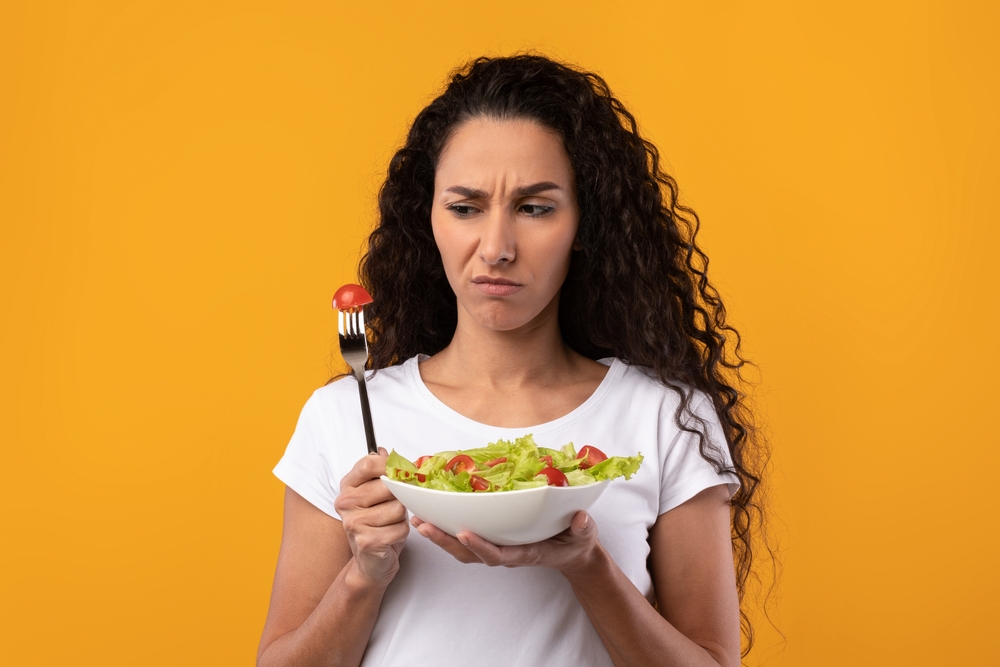
The unpredictable nature of taste and smell changes can be tiring emotionally. People might feel down when food that was okay yesterday tastes bad today. This can make eating feel like a constant test.
Knowing that these ups and downs are common may help people feel less alone.
This section has looked at how changes in taste, smell, and eating enjoyment can affect daily life, relationships, and feelings during cancer treatment. In the last part, we will talk about how these changes often develop over time and what people usually notice during recovery.
As cancer treatment continues or ends, many people see that changes in taste, smell, and eating enjoyment start to shift again. For some, flavors slowly come back to how they were before; for others, changes remain or change in new ways. Understanding these long-term patterns can help reduce worry and support realistic expectations during recovery.
How taste and smell may evolve over time
Taste and smell changes linked to cancer treatment usually don’t stay the same. Some people notice slow improvements, with flavors becoming clearer or more balanced over weeks or months. Others find some tastes come back while others stay changed for longer.
According to the National Cancer Institute, taste and smell changes often get better with time, though how fast and how much varies from person to person.
Eating after active treatment ends
When treatment is over, many expect eating enjoyment to return quickly. When it doesn’t happen right away, people may feel frustrated or disappointed. Senses need time to adjust after being disturbed for a long time.
Some say enjoyment comes back slowly, starting with simple or familiar foods. Others find their tastes change permanently, with new favorites replacing old ones.
Lingering changes and emotional interpretation
Ongoing taste or smell changes may bring emotional concerns. Some worry that continued differences mean problems still exist, while others feel sad when recovery is slower than expected.
Support from the World Health Organization says recovery after cancer treatment means both physical and emotional adjustment, including changes that improve slowly.
Rebuilding enjoyment and comfort around food
Over time, many people say they rebuild comfort with eating, even if taste and smell don’t go back exactly. Enjoyment may come from new textures, temperatures, or simple meal routines instead of complex flavors.
Some find social fun during meals comes back before full taste enjoyment; others experience the opposite. Both are common.
Social eating during recovery
As taste and smell improve, eating with others often gets easier. People may feel more comfortable at gatherings or sharing food without worry about taste or smell issues.
Still, sensitivity may stay and affect food choices or places. Patient info from the American Cancer Society says adjusting to taste and smell changes can continue after treatment ends.
Developing patience and flexibility
Many people say learning patience is part of recovery for taste and smell. Accepting that these senses may change helps reduce pressure and lets people handle changes more gently.
Instead of hoping for a full return to “normal,” some focus on finding what tastes okay or enjoyable right now.
Ongoing communication and reassurance
Talking regularly with healthcare teams may still be important if taste and smell changes last or cause worry. Sharing experiences openly can help people feel supported during recovery.
Resources from the Cleveland Clinic say sensory changes during cancer treatment often get better slowly and differ for each person.
Integrating sensory changes into daily life
For many, changes in taste and smell become one part of a bigger recovery story, not a daily focus. As habits settle and confidence grows, eating feels less stressful, even if tastes and smells stay different.
There is no set time for sensory recovery. Allowing time for slow change and being kind to yourself helps long-term health.
This article ends the talk about changes in taste, smell, and eating enjoyment during cancer treatment. The next articles in this series will cover sexual health changes, fertility topics, and other experiences people often report during and after treatment.
Disclaimer
Disclaimer: This content is for general education only and is not medical advice. Always talk with a licensed healthcare professional for advice about your health.



0 Comments