



The skin is the body’s largest and most visible organ. Because it shows both internal health and exposure to the environment, changes in the skin are often noticed earlier than changes in other parts of the body. Most skin changes are harmless and related to aging, weather, allergies, or small irritation. Still, some changes last a long time or change in ways that need careful attention.
Health organizations stress that awareness—not panic—is the goal. Noticing patterns, how long changes last, and if they get worse helps people decide when to ask questions and get reassurance. According to the National Cancer Institute, skin changes are common and usually harmless, but ongoing or changing changes should be discussed if they do not go back to normal over time (cancer.gov).
Common, Harmless Reasons Skin Changes Occur
Before looking at changes that may need closer watching, it helps to know how often the skin reacts to everyday things. Many changes heal on their own and are part of normal skin behavior.
- Environmental exposure: Sun, cold, wind, and dry air can change color and feel.
- Allergies and irritation: Soaps, detergents, and fabrics may cause rashes or itching.
- Infections: Minor bacterial or fungal infections can temporarily change how the skin looks.
- Aging: Thinning, dryness, and spots often increase with age.
The American Academy of Dermatology says most rashes and spots are not serious and get better with time or simple care (aad.org).
Skin Changes That Persist or Progress
What usually makes a normal skin problem different from one worth checking is how long it lasts. A spot, patch, or irritation that does not get better after several weeks—or keeps changing—may feel different from usual skin problems.
Examples of changes that last include:
- Discoloration that stays or gets darker over time
- Areas that often crust, bleed, or do not heal
- Patches that slowly grow or get thicker
- Long-lasting itching or tenderness without a clear cause
The Centers for Disease Control and Prevention says that paying attention to how long a skin change stays and if it changes over time is more useful than reacting to just one observation (cdc.gov).
Changes in Color: What to Observe
Skin color can change naturally by part of the body and over time. Slow changes may happen with sun exposure, swelling, or hormone changes. Some color changes stand out because they are new or keep changing.
Color changes people often notice include:
- Darkening or lightening of a small area
- Redness that does not go away
- Yellowing or paleness
- Uneven color with irregular edges
The Mayo Clinic says that color changes that last should be watched for getting worse, especially if there is no obvious reason (mayoclinic.org).
Texture Changes: Roughness, Thickening, and Scaling
Texture is another important clue. Skin that feels rough, flaky, or thicker than nearby skin may show irritation, swelling, or other changes under the surface.
Common texture changes include:
- Rough or flaky patches that last
- Areas that feel firmer or thicker
- Crusting or flaking that comes back
The National Institute of Arthritis and Musculoskeletal and Skin Diseases says swelling can cause thickening and texture changes that may stay even after the cause goes away (niams.nih.gov).
Sores or Wounds That Don’t Heal
Small cuts and scrapes usually heal in a normal time. When a sore does not heal, keeps opening, or bleeds with little injury, it often causes worry.
Non-healing sores may be caused by:
- Repeated irritation or rubbing
- Blood flow problems
- Infection or swelling
- Health problems under the surface
The American Cancer Society says non-healing sores are among changes that may need a check, while also saying many causes are not cancer (cancer.org).
Moles and Spots: Watching for Change
Moles, freckles, and spots are common and usually do not change much over time. But changes in current spots—or new spots—often get attention.
Health guides often say to watch moles for:
- Changes in size, shape, or color
- Irregular or uneven edges
- Bleeding, itching, or crusting
The American Academy of Dermatology gives advice on watching moles and says most changes are harmless, especially when they happen slowly (aad.org).
Skin Changes and Cancer: Keeping Perspective
Some skin changes can be linked to skin cancers or other cancers, which is why awareness is important. But it is important to remember: most skin changes checked by doctors are not cancer.
The National Cancer Institute explains that the context—like how long a change lasts, if it gets worse, and related symptoms—helps decide about further checks (cancer.gov).
Being aware helps start timely talks without assuming a serious cause.
In the next part, we will look at symptoms that may happen with skin changes, how doctors usually check concerns, and easy ways to watch changes calmly and clearly.
Skin Changes That Appear Alongside Other Symptoms
Skin changes sometimes happen alone, but other times they come with other body changes. When more than one symptom happens at once, people may feel the skin change is more important than when it happens by itself.
Examples of symptoms that may happen with skin changes include:
- Long-lasting tiredness or low energy
- Unplanned weight changes
- Itching that does not have a rash
- Swelling or soreness nearby
The American Cancer Society says groups of ongoing symptoms, not just one change, often cause the need for more checks (cancer.org).
Itching, Tenderness, or Sensitivity
Itching is a common skin feeling and often linked to dryness, allergies, or irritation. Many times, it gets better with moisturizers or avoiding triggers. Long-lasting itching may feel different.
Long-lasting itching may happen:
- Without a rash that can be seen
- In the same spot again and again
- With changes in skin color or texture
MedlinePlus says chronic itching can have many causes, including skin problems, body illnesses, and nerve issues (medlineplus.gov).
Soreness or sensitivity may also come with skin changes, especially if swelling or irritation is present. These feelings often come and go and may get worse with touch or rubbing.
Rashes That Don’t Resolve
Rashes are among the most common skin problems and usually go away. But rashes that do not go away, keep coming back, or slowly grow may need closer watch.
Examples include:
- Red or scaly patches that last for weeks
- Areas that briefly get better with treatment but return
- Rashes that change shape or place over time
The American Academy of Dermatology says long-lasting rashes may be linked to ongoing swelling, infections, or other problems (aad.org).
Nail and Hair Changes as Skin-Related Signals
Nails and hair are part of the skin system and can sometimes show internal health changes. Nail and hair changes are often about looks, but some patterns may last and get attention.
Examples include:
- Brittle or splitting nails
- Changes in nail color or shape
- Hair thinning or hair loss in patches
The Cleveland Clinic says nail and hair changes may be caused by nutrition, blood flow, hormones, or body illnesses (my.clevelandclinic.org).
When these changes happen with lasting skin problems, they may give extra clues worth noting.
How Clinicians Typically Evaluate Skin Changes
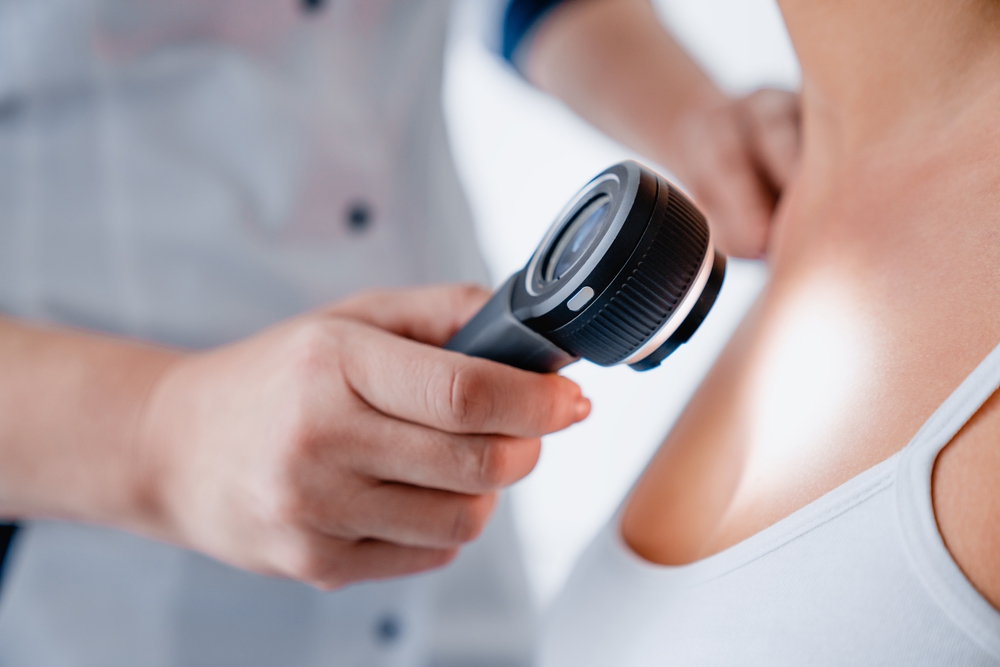
When skin changes are talked about with a healthcare provider, checking usually starts with looking and asking questions rather than immediate tests.
The Mayo Clinic says doctors often check:
- How long the change has been there
- If it has grown, spread, or changed look
- Other symptoms like itching or pain
- Personal and family history of skin issues
Sometimes just looking is enough to give comfort. Other times, doctors may suggest watching or sending to a skin specialist (mayoclinic.org).
When a Skin Biopsy May Be Suggested
A skin biopsy is a test where a small skin sample is looked at under a microscope. This is done only when needed to understand the problem better.
The National Cancer Institute says biopsies help find out what a skin change is and often show that it is harmless (cancer.gov).
For many people, biopsy results give comfort and help decide what to do next, if anything.
Monitoring Skin Changes Calmly and Effectively
For skin changes being watched over time, simple checking can help without causing stress.
Good ways to watch include:
- Noting when the change was first seen
- Watching size, color, or texture over time
- Not picking or irritating the area
- Taking photos now and then to see progress
These steps can help clear communication and reduce worry.
In the last part, we will talk about when to ask for help, how to handle worry about skin changes, important points, and the needed educational disclaimer.
When Skin Changes May Prompt Seeking Guidance
Many skin changes heal on their own, so it is usually okay to watch them for a short time. But people often ask for help when a change lasts, changes more, or feels different from before.
The U.S. National Library of Medicine says skin changes may need more talk if they do not get better in several weeks or come with other unknown symptoms (medlineplus.gov).
Common reasons for getting checked include:
- Skin changes that keep growing, spreading, or darkening
- Sores that do not heal or bleed again and again
- Long-lasting itching, pain, or soreness
- New or changing moles
Getting help is not overreacting. It is a way to learn and feel safe.
How Healthcare Providers Decide on Next Steps
When checking skin changes, healthcare providers take steps that balance carefulness with comfort. Many worries are solved just by looking.
The American Academy of Dermatology says next steps may be:
- Looking closely with magnification
- Checking personal and family skin history
- Watching for changes over a short time
- Sending to a skin specialist if needed
Testing is done only if the details make it necessary.
Reducing Anxiety Around Skin Changes
Skin changes can be seen, which may make them hard to handle emotionally. It is normal to worry when something new shows up or does not go away quickly.
Good ways to manage worry include:
- Using trusted sources for information
- Not checking photos online too much
- Watching changes calmly instead of often checking
- Talking about worries openly during doctor visits
Learning about skin changes helps replace fear with understanding.
Key Takeaways About Skin Changes
- Most skin changes are harmless and short-term
- How long they last and change is more important than just looks
- Skin changes should be seen with overall health in mind
- Professional checks often give comfort
- Awareness helps build confidence, not fear
Knowing which skin changes need attention helps people feel informed and strong. Careful watching and timely talking support long-term skin and overall health.
Disclaimer
Disclaimer: This content is for general education only and is not medical advice. Always consult a licensed healthcare professional for guidance about your health.



0 Comments