


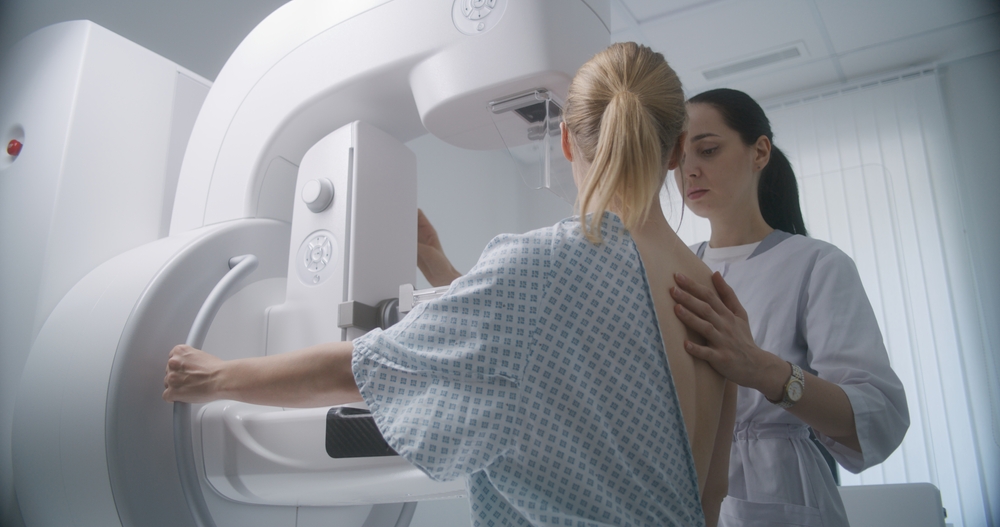
After cancer screening, some individuals are told that monitoring or ongoing observation is recommended. This can be confusing or unsettling, especially if it is not clearly explained. Many people assume that monitoring means something is wrong, when in reality it is often a routine and thoughtful approach to health awareness.
In cancer education, monitoring is discussed as a careful, intentional process. It allows changes to be observed over time rather than drawing conclusions based on a single moment. Monitoring does not mean cancer is present, and it does not mean that action is urgently required.
This section explains what monitoring and ongoing observation mean after cancer screening, why they are used, and how they fit into a calm, supportive approach to long-term health awareness.
What Monitoring Means in Cancer Screening Awareness
Monitoring refers to the practice of observing certain findings or areas of interest over time. This may involve repeat screening at planned intervals or periodic check-ins to see whether anything has changed.
Monitoring is not a diagnosis and not a treatment. It is a way of gathering more information gradually, allowing patterns to become clearer.
The National Cancer Institute explains that monitoring can be used when findings are not clearly concerning and do not require immediate action (National Cancer Institute – Cancer Screening).
Why Monitoring Is Used After Screening
Screening tests are designed to notice changes early, but not all changes require immediate clarification or follow-up testing. Some findings are best understood by observing how they behave over time.
Monitoring allows healthcare teams to see whether a finding remains stable, changes slowly, or resolves on its own. This approach helps avoid unnecessary procedures and reduces the risk of overinterpretation.
Cancer education emphasizes that monitoring reflects caution and care, not neglect.
Monitoring Is a Common and Planned Approach
Monitoring is a common part of many screening programs. It is often built into guidelines and protocols to support thoughtful decision-making.
This approach recognizes that the body changes over time and that a single snapshot does not always provide enough information.
The American Cancer Society notes that observation over time is sometimes the most appropriate way to understand screening findings (American Cancer Society – Cancer Screening).
Monitoring Does Not Mean Waiting Without Purpose
One common misunderstanding is that monitoring means “doing nothing.” In reality, monitoring is an active process with a clear plan and purpose.
Planned intervals, specific methods, and clear criteria are usually part of monitoring recommendations. This structure ensures that changes are noticed and addressed if needed.
Cancer awareness materials emphasize that monitoring is intentional and guided.
Types of Monitoring That May Be Used
Monitoring can take different forms depending on the screening type and the situation.
- Repeat screening: Performing the same screening test again after a set period.
- Alternative screening: Using a different screening method for comparison.
- Scheduled review: Periodic discussions to reassess findings.
These approaches help build a clearer picture over time.
Why Time Matters in Monitoring
Time is an important element of monitoring. Some changes only become meaningful when observed across months or years.
By allowing time to pass between screenings, monitoring helps distinguish between temporary variations and meaningful patterns.
Cancer education emphasizes patience and perspective when discussing monitoring.
Monitoring and Risk Awareness
Monitoring is sometimes recommended when risk is considered low or unclear. This allows awareness without escalation.
It helps balance attentiveness with restraint, ensuring that concern does not turn into unnecessary worry.
Educational resources such as understanding screening recommendations for high-risk individuals explain how different risk contexts may influence monitoring decisions.
How Monitoring Fits Into Long-Term Health Awareness
Monitoring supports a long-term view of health. Rather than reacting to isolated findings, it encourages thoughtful observation and ongoing understanding.
This approach aligns with cancer education goals of clarity, reassurance, and informed awareness.
Resources such as understanding cancer screening guidelines over time help explain why monitoring strategies may change over time.

Reducing Anxiety Through Understanding Monitoring
Anxiety around monitoring often comes from misunderstanding its purpose. Learning that monitoring is common and precautionary can reduce fear.
Cancer education focuses on explaining monitoring clearly so individuals can feel confident and reassured.
When monitoring is understood as a form of care, it becomes easier to approach calmly.
Monitoring as a Sign of Careful Attention
Monitoring reflects careful attention to health rather than urgency. It shows that screening programs are designed to avoid assumptions and prioritize accuracy.
This careful approach supports trust and confidence in the screening process.
Preparing for Deeper Discussion
Understanding what monitoring and ongoing observation mean after cancer screening provides a strong foundation for exploring emotional experiences and supportive guidance.
This prepares readers for a deeper discussion in the next section.
Emotional Reactions to Monitoring and Ongoing Observation
Being told that monitoring is recommended after cancer screening can bring up a range of emotional responses. Even when individuals understand that monitoring is common, it may still feel unsettling to hear that something will be watched over time.
Cancer education recognizes that these reactions are natural. Monitoring involves uncertainty and waiting, which can feel uncomfortable even in low-risk situations.
The American Cancer Society notes that feelings of concern during monitoring are common and that clear explanations help reduce unnecessary stress (American Cancer Society – Cancer Screening).
Why Monitoring Can Feel More Stressful Than Immediate Answers
Many people prefer clear answers. Monitoring, by design, does not always provide immediate resolution. Instead, it relies on observing changes gradually.
This lack of immediate closure can feel more stressful than additional testing, even when monitoring is the safest and most appropriate option.
Cancer awareness emphasizes that discomfort with uncertainty does not mean monitoring is risky. It reflects the emotional challenge of waiting.
Understanding Stability as a Positive Outcome
One of the key goals of monitoring is to observe stability. When findings remain unchanged over time, this information is reassuring.
Stability often confirms that a finding is not concerning and does not require further action.
Cancer education highlights that stable findings are a common and positive outcome of monitoring.
Monitoring as a Protective Approach
Monitoring protects individuals from unnecessary procedures or interventions. Acting too quickly on unclear findings can sometimes create more harm than benefit.
By allowing time and observation, monitoring supports careful and measured decision-making.
The National Cancer Institute explains that observation over time can be the safest approach when findings are uncertain (National Cancer Institute – Cancer Screening).
How Monitoring Plans Are Structured
Monitoring is not open-ended or vague. It usually includes a clear plan with defined timelines and methods.
Knowing when the next screening or review will occur can help reduce anxiety and provide a sense of structure.
Cancer education encourages individuals to understand the monitoring plan so expectations are clear.
Managing Worry Between Monitoring Appointments
Time between monitoring appointments can feel long, especially for those who tend to worry.
Cancer awareness emphasizes focusing on what is known rather than imagining possibilities. Monitoring exists because immediate concern is not present.
Understanding this can help individuals regain a sense of calm between appointments.
The Role of Communication During Monitoring
Clear communication is especially important during monitoring periods. Understanding why monitoring was chosen and what changes would prompt further action helps reduce fear.
Open dialogue, as discussed in talking to your care team long term, supports reassurance and clarity during ongoing observation.
Cancer education encourages asking questions whenever uncertainty feels overwhelming.
Monitoring Compared With Immediate Follow-Up
Some individuals wonder why monitoring is recommended instead of immediate follow-up testing.
Monitoring is chosen when immediate testing would not provide clearer answers or may introduce unnecessary complexity.
This decision reflects thoughtful assessment rather than delay.
Individual Differences in Monitoring Experiences
People experience monitoring differently based on personality, past health experiences, and emotional resilience.
Some may feel reassured by monitoring, while others may feel uneasy. Both responses are valid.
Cancer education emphasizes empathy and individualized support during monitoring periods.
Involving Family and Support Systems
Sharing information about monitoring with trusted family members or friends can provide emotional support.
Support systems can help normalize monitoring and reduce feelings of isolation.
Cancer awareness recognizes that emotional support plays an important role in managing uncertainty.
Monitoring as Part of a Broader Awareness Journey
Monitoring should be viewed as one part of an ongoing health awareness journey rather than a defining event.
Over time, monitoring helps build confidence that health is being observed carefully and responsibly.
Educational resources such as understanding screening results and next steps help explain how monitoring fits into broader screening awareness.
Reducing Self-Blame During Monitoring
Some individuals worry that monitoring is the result of something they did or did not do. Cancer education emphasizes that monitoring is not about fault.
It reflects biological variation and cautious observation, not personal responsibility.
This understanding helps reduce guilt and self-blame.
Maintaining Perspective Over Time
Monitoring often becomes easier emotionally as time passes and stability is observed.
Each unchanged result adds reassurance and confidence in the monitoring approach.
Cancer education encourages patience and perspective throughout the process.
Preparing for Key Takeaways
Understanding the emotional and practical aspects of monitoring helps place ongoing observation into a calm and supportive context.
This prepares readers for a summary of key points and concluding guidance in the final section.
Key Takeaways
- Monitoring after cancer screening is a planned and thoughtful approach, not a sign of urgent concern.
- Ongoing observation helps clarify findings over time rather than relying on a single result.
- Monitoring is commonly used when findings are stable, low-risk, or unclear.
- Emotional reactions to monitoring are natural and understandable.
- Clear communication and structured plans support reassurance during monitoring periods.
Putting Monitoring and Observation Into Perspective
Monitoring and ongoing observation are important components of cancer screening awareness because they reflect patience, care, and thoughtful evaluation. Rather than rushing to conclusions, monitoring allows health information to develop naturally over time.
When monitoring is understood as a purposeful and protective approach, it becomes easier to engage with it calmly. Educational resources such as understanding follow-up testing after screening help explain how monitoring fits alongside other screening steps.
Why Monitoring Often Leads to Reassurance
One of the most reassuring outcomes of monitoring is stability. When findings remain unchanged across multiple screenings, this information provides growing confidence that no concerning change is occurring.
Over time, many individuals find that monitoring becomes less stressful as familiarity increases and patterns remain consistent.
Cancer education emphasizes that repeated stability is a positive and meaningful outcome.
Supporting Emotional Well-Being During Ongoing Observation
Emotional well-being remains an important consideration throughout monitoring. Waiting and uncertainty can feel difficult, but reassurance grows as understanding improves.
Cancer awareness encourages patience, self-compassion, and open communication during monitoring periods.
The American Cancer Society highlights that understanding the purpose of monitoring helps individuals feel more comfortable and supported (American Cancer Society – Cancer Screening).
The Role of Ongoing Communication
Monitoring works best when communication continues over time. Questions may arise between appointments, and preferences may evolve.
Ongoing dialogue, as discussed in talking to your care team long term, supports clarity, trust, and reassurance throughout the monitoring process.
Monitoring as Part of Long-Term Health Awareness
Monitoring supports a long-term view of health awareness. It recognizes that health changes unfold gradually and that understanding improves with time.
Rather than focusing on immediate answers, monitoring emphasizes steady observation and informed patience.
Educational guidance such as understanding cancer screening guidelines over time helps explain why monitoring strategies may evolve.
Maintaining Balance Between Awareness and Peace of Mind
Monitoring encourages a balance between attentiveness and peace of mind. It ensures that health is observed carefully without creating unnecessary alarm.
This balance helps individuals stay engaged with screening awareness while maintaining emotional stability.
Conclusion
Monitoring and ongoing observation after cancer screening are normal, intentional, and supportive approaches to health awareness. They allow information to unfold over time and help ensure that screening findings are understood accurately.
By approaching monitoring with understanding, patience, and open communication, individuals and families can engage with cancer screening in a calm, informed, and reassuring way.
Disclaimer
Disclaimer: This content is for general education only and is not medical advice. Always consult a licensed healthcare professional for guidance about your health.



0 Comments