



Cancer is often described as unpredictable, but research has shown that certain factors can influence how likely cancer is to develop. These factors are known as risk factors. Understanding cancer risk factors does not mean predicting who will or will not get cancer. Instead, it helps individuals and families become more informed about influences that may affect health over time.
Many people worry that having a risk factor means cancer is unavoidable. This is not true. Some people with multiple risk factors never develop cancer, while others with few known risk factors may still be diagnosed. Cancer risk is shaped by a combination of biological, environmental, and lifestyle influences that interact in complex ways.
This pillar article explains what cancer risk factors are, how they work, and why they matter. The goal is to provide clear, non-alarming education that helps readers better understand cancer risk without offering medical advice or instructions.
What Are Cancer Risk Factors?
A risk factor is anything that increases the chance of developing a disease. In the context of cancer, risk factors are characteristics, exposures, or behaviors that may make cancer more likely to develop over time.
Risk factors do not cause cancer directly in most cases. Instead, they influence how cells behave, how DNA changes accumulate, or how the body responds to abnormal cells.
Cancer risk factors generally fall into several broad categories:
-
Biological factors
-
Genetic and inherited factors
-
Environmental exposures
-
Lifestyle-related factors
-
Age-related changes
Understanding these categories helps explain why cancer risk differs from person to person.
Biological Risk Factors

Age as a Risk Factor
Age is one of the strongest known risk factors for cancer. Most cancers are diagnosed in adults, particularly older adults. This is not because aging itself causes cancer, but because:
-
DNA changes accumulate over time
-
Cells have had more opportunities to experience damage
-
Repair systems may become less efficient
As people age, the chance that abnormal cells survive and multiply increases. This helps explain why cancer is more common later in life.
Sex-Based Biological Differences
Biological differences between males and females can influence cancer risk. These differences may involve:
-
Hormonal influences
-
Organ-specific tissues
-
Differences in cell behavior
Some cancers occur more frequently in one sex than the other due to these biological factors. Understanding these differences supports more personalized awareness and screening discussions.
Genetic and Inherited Risk Factors
How Genetics Influence Cancer Risk
Genes contain instructions that control how cells grow, divide, and repair damage. Some people inherit genetic changes that affect these processes. These inherited changes can increase cancer risk, but they do not guarantee cancer will develop.
Inherited genetic risk factors are relatively uncommon. Most cancers are not caused by inherited genes alone.
Family History and Cancer Risk
Having a family history of cancer can sometimes increase risk, especially when:
-
Multiple close relatives have the same cancer
-
Cancer appears at younger ages
-
Certain rare cancer patterns are present
Family history may reflect shared genetics, shared environments, or a combination of both.
Important Clarification About Genetics
It is important to understand that:
-
Inheriting a genetic risk does not mean cancer is inevitable
-
Many people with inherited risk never develop cancer
-
Many people with cancer have no known inherited risk
Genetics is one piece of a much larger picture.
Environmental Risk Factors
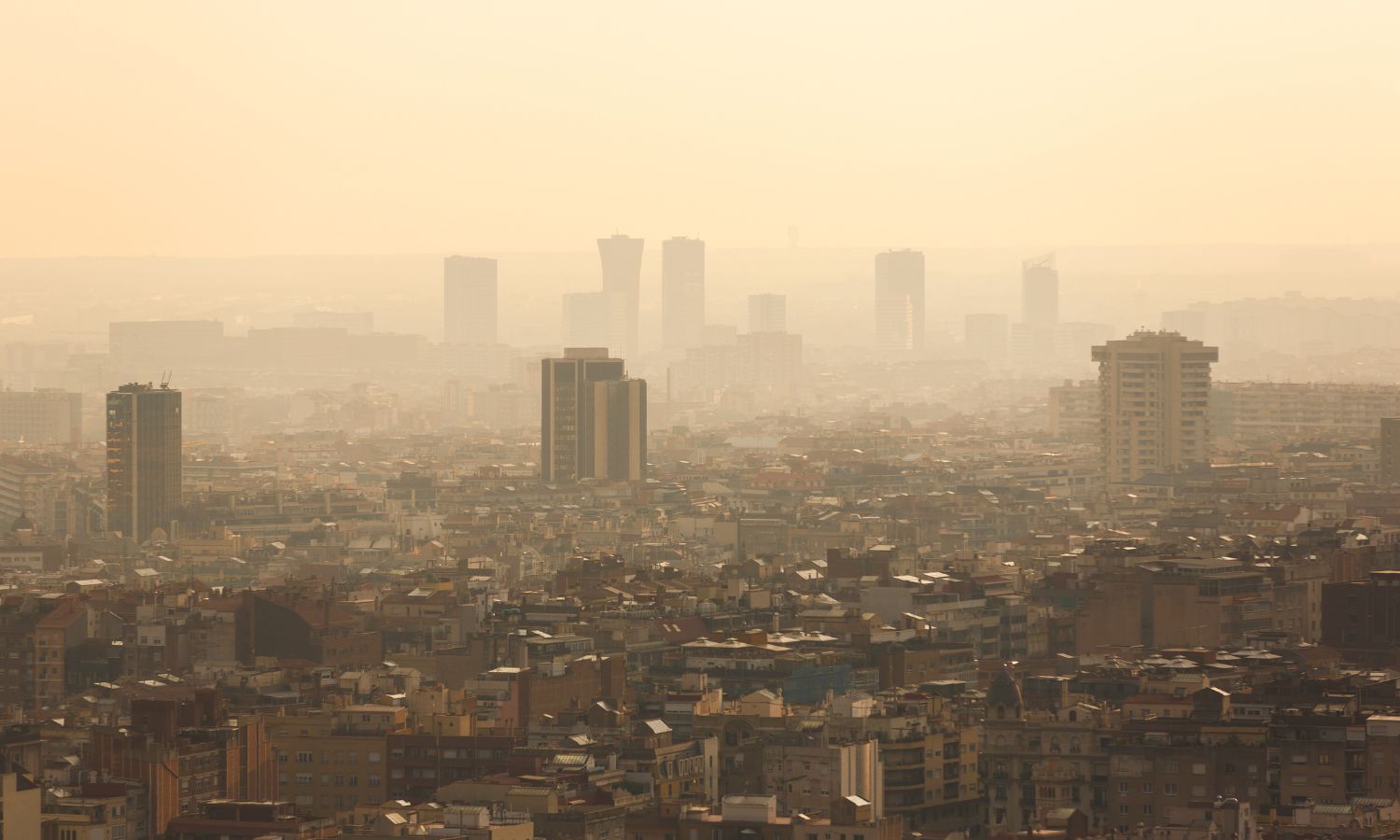
Exposure to Harmful Substances
Environmental exposures can influence cancer risk by increasing the likelihood of DNA damage. These exposures may include:
-
Air pollutants
-
Industrial chemicals
-
Certain types of radiation
The impact of environmental exposures often depends on the level and duration of exposure.
Radiation and Cancer Risk
Radiation is a known risk factor for cancer when exposure is high or prolonged. Radiation can damage DNA, increasing the chance of abnormal cell growth.
Radiation exposure may come from natural sources, medical imaging, or environmental sources. Not all radiation exposure is harmful, and risk varies widely based on context.
Occupational Exposures
Some people may be exposed to substances at work that increase cancer risk. Occupational risk varies based on:
-
Industry
-
Duration of exposure
-
Safety measures in place
Awareness of occupational exposure supports informed discussions about workplace safety.
Lifestyle-Related Risk Factors
Tobacco Use
Tobacco exposure is one of the most widely recognized cancer risk factors. Tobacco smoke contains substances that can damage DNA and interfere with normal cell repair processes.
Exposure can occur through direct use or secondhand smoke. Risk is influenced by duration and intensity of exposure.
Alcohol Consumption
Alcohol use has been associated with increased cancer risk in some populations. Alcohol may affect cancer risk by:
-
Damaging cells directly
-
Interfering with DNA repair
-
Influencing hormone levels
Risk varies depending on patterns of use and individual factors.
Nutrition and Diet
Dietary patterns may influence cancer risk by affecting inflammation, hormone levels, and cell behavior. No single food causes or prevents cancer, but long-term dietary habits can play a role in overall risk.
Physical Activity
Physical activity influences many systems in the body, including metabolism and immune function. Activity levels may affect cancer risk indirectly through these pathways.
Body Weight and Cancer Risk
Body weight may influence cancer risk through complex biological processes, including hormone regulation and inflammation. The relationship between body weight and cancer is not the same for everyone and varies by cancer type.
It is important to approach this topic without blame or judgment. Many factors influence body weight, and cancer risk is never the result of a single factor.
Hormonal Factors
Hormones help regulate many processes in the body. Changes in hormone levels over time may influence cancer risk for certain cancers.
Hormonal influences may be affected by:
-
Natural life stages
-
Biological differences
-
Medical conditions
Hormones are one part of a broader system that affects cell behavior.
Immune System Function and Cancer Risk
The immune system plays a critical role in identifying and removing abnormal cells. When immune function is weakened or altered, abnormal cells may survive longer than usual.
Immune function can be influenced by many factors, including age, chronic conditions, and overall health.
Infections and Cancer Risk
Some infections are associated with increased cancer risk. These infections may influence cancer development by:
-
Causing chronic inflammation
-
Affecting immune responses
-
Interfering with normal cell control
Not everyone exposed to these infections develops cancer, and risk varies widely.
Chronic Inflammation and Cancer Risk
Long-term inflammation can affect how cells grow and repair themselves. Over time, chronic inflammation may increase the likelihood of abnormal cell changes.
Inflammation can result from infections, autoimmune conditions, or long-standing tissue damage.
Multiple Risk Factors and Combined Effects
Most cancers do not result from a single risk factor. Instead, risk often reflects the combined effect of multiple influences over time.
These influences may interact in ways that are difficult to predict, which explains why cancer risk varies so widely among individuals.
Common Myths About Cancer Risk Factors
Myth: Everyone With Risk Factors Gets Cancer
Many people with risk factors never develop cancer.
Myth: Cancer Risk Factors Are Always Avoidable
Some risk factors, such as age or genetics, cannot be changed.
Myth: Cancer Is Always Preventable
Cancer prevention is complex, and no strategy eliminates risk entirely.
Why Understanding Risk Factors Matters
Learning about cancer risk factors helps individuals:
-
Understand why cancer develops differently in different people
-
Interpret health information more accurately
-
Reduce fear caused by misinformation
-
Participate in informed conversations with healthcare professionals
Education empowers awareness without assigning blame.
Summary
Cancer risk factors are influences that may increase the likelihood of cancer developing over time. These factors include biological characteristics, genetic influences, environmental exposures, lifestyle patterns, and immune system function. No single risk factor determines whether cancer will occur, and having a risk factor does not mean cancer is inevitable.
Understanding cancer risk factors supports awareness, education, and informed decision-making while reducing fear and confusion.
Further Reading – Trusted Cancer Risk Education Resources
- National Cancer Institute – Causes & Risk Factors Overview
- American Cancer Society – Risk Factors & Prevention Information
- World Health Organization – Cancer Fact Sheet
- Cancer Research UK – Causes of Cancer
- World Cancer Research Fund – Diet, Activity & Cancer Risk
Disclaimer: This content is for general education only and is not medical advice. Always consult a licensed healthcare professional for guidance about your health.



0 Comments