


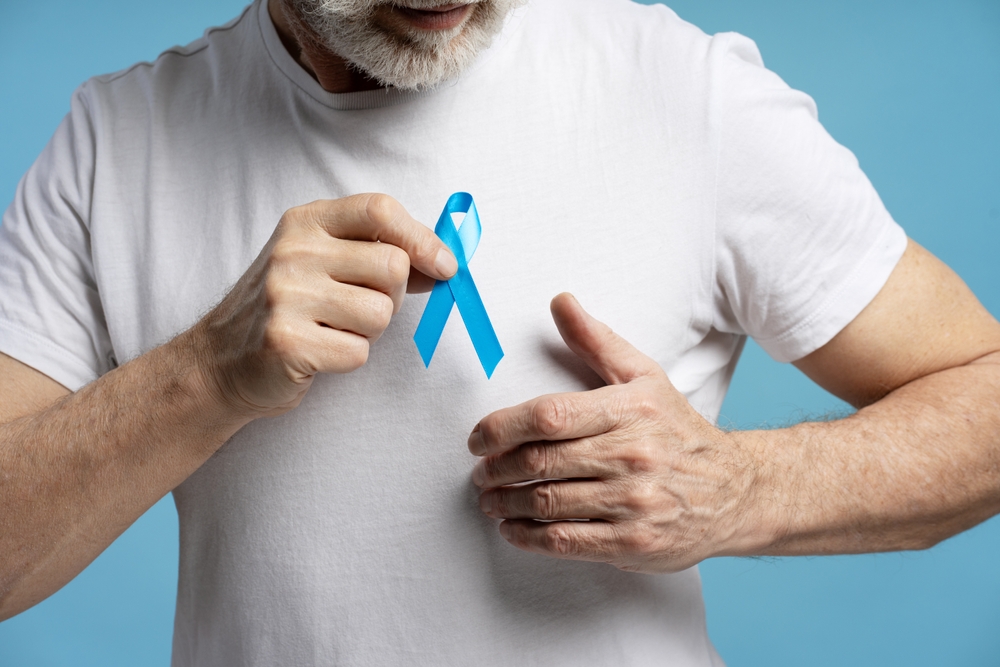
Cancer does not have a single cause. Instead, it develops through a combination of different factors that influence how cells behave over time. These factors are known as cancer risk factors. Understanding them does not mean predicting who will develop cancer, but it can help explain why cancer may occur in some people and not others.
This article explores cancer risk factors in a clear, non-alarming way. It focuses on three major areas—genetics, environmental exposures, and lifestyle influences—using simple language suitable for the general public. The purpose is education and awareness, not medical guidance.
1. What Are Cancer Risk Factors?
A cancer risk factor is anything that may increase the likelihood of changes occurring in cells that can eventually lead to cancer. Having a risk factor does not mean a person will develop cancer. Many people with risk factors never do, while others with few known risk factors may still develop cancer.
Important Things to Understand
-
Risk factors increase possibility, not certainty
-
Multiple factors often work together
-
Risk can vary from person to person
Cancer usually develops after many small changes build up over time.
2. Genetics and Cancer Risk
What Genetics Means
Genetics refers to the DNA passed from parents to children. DNA provides instructions for how cells grow, divide, and function. Some people are born with DNA changes that may increase their chance of developing certain cancers.
Inherited vs. Acquired Changes
-
Inherited changes are present at birth
-
Acquired changes happen during life
Only a small percentage of cancers are strongly linked to inherited genetic changes. Most cancers involve changes that occur over time rather than being passed down through families.
Family History
Having relatives with cancer may sometimes indicate shared genetic traits, but it can also reflect shared environments or habits. Family history alone does not determine outcomes.
3. Environmental Factors and Cancer Risk
Environmental factors include things people may be exposed to in their surroundings. These exposures can happen at home, at work, or in the wider environment.
Types of Environmental Exposures
-
Air and water quality
-
Workplace materials
-
Sunlight and radiation
-
Certain chemicals
Exposure does not automatically cause cancer. The level, duration, and timing of exposure all play a role.
Long-Term Influence
Environmental exposures often act slowly. Effects may not appear until many years later, which is why cancer is often described as a long-developing condition.
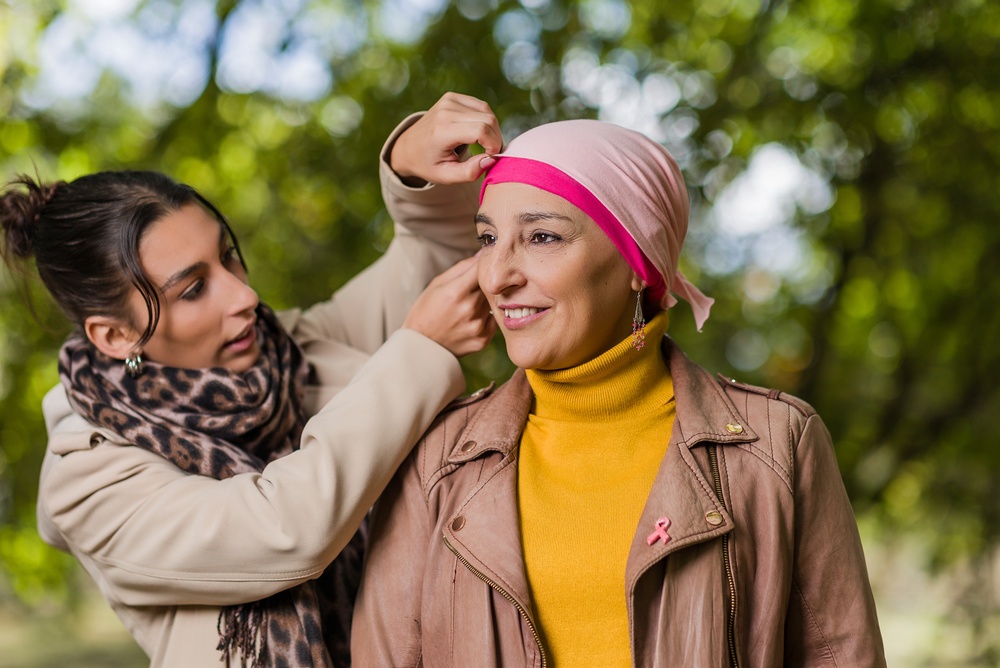
4. Lifestyle Factors and Cancer Risk
Lifestyle factors relate to daily habits and behaviors. These factors can influence how cells respond to stress and damage over time.
Common Lifestyle Influences
-
Physical activity levels
-
Eating patterns
-
Sleep habits
-
Stress management
Lifestyle factors are part of a broader picture and interact with genetics and environment rather than acting alone.
Complexity of Lifestyle Risk
No single habit guarantees protection or harm. Cancer risk reflects long-term patterns rather than individual actions.
5. How Risk Factors Work Together
Cancer risk factors rarely act alone. Instead, they often interact in complex ways.
Combined Influence
-
Genetics may affect how the body handles environmental exposure
-
Lifestyle habits can influence how cells repair damage
-
Environmental factors may trigger changes in vulnerable cells
This layered interaction explains why cancer risk is different for everyone.
6. Why Risk Does Not Mean Outcome
Understanding risk factors can sometimes feel overwhelming, but it is important to remember that risk is not destiny.
Protective Factors
The body has many protective systems, including:
-
DNA repair processes
-
Immune responses
-
Cell growth controls
Many abnormal changes are repaired or removed before they cause problems.
Common Myths and Misunderstandings
Myth 1: Cancer is always inherited
Reality: Most cancers are not caused by inherited genetics.
Myth 2: One risk factor causes cancer
Reality: Cancer usually develops from multiple combined factors.
Myth 3: Risk factors guarantee cancer
Reality: Risk increases possibility, not certainty.
Why Learning About Risk Factors Is Helpful
Understanding cancer risk factors helps people:
-
Reduce fear through knowledge
-
See cancer as a complex biological process
-
Understand why prevention and awareness are discussed broadly
Education supports informed conversations without blame or alarm.
Summary: Key Takeaways
-
Cancer risk factors influence likelihood, not certainty
-
Genetics, environment, and lifestyle all play roles
-
Most cancers develop from multiple combined factors
-
Risk varies from person to person
-
Awareness supports understanding, not prediction
Further Reading (Public-Friendly)
- National Cancer Institute — Cancer Risk Factors Overview
- American Cancer Society — Understanding Cancer Risk & Prevention
- World Health Organization — Cancer Fact Sheet
- Cancer Research UK — Causes of Cancer
- World Cancer Research Fund — Diet, Lifestyle & Cancer Risk Factors
Disclaimer
Disclaimer: This content is for general education only and is not medical advice. Always consult a licensed healthcare professional for guidance about your health.



0 Comments