
- What "Cancer Spread" Means
- Why Most Cancer Cells Do Not Spread
- How Cancer Cells Break Away
- Movement Through the Body
- The Role of Circulation
- Why Spreading Is a Multi-Step Process
- Establishing in a New Location
- Why Spread Does Not Happen Early
- Spread and Cancer Stage
- Why Symptoms May Change When Cancer Spreads
- Common Misunderstandings
- Myth: Cancer always spreads quickly
- Myth: Spread happens all at once
- Myth: Spread means immediate symptoms
- How This Topic Fits Into Cancer Basics
- Common Pathways Cancer Cells Use to Spread
- Movement Through Body Fluids
- Why Certain Areas Are More Affected Than Others
- The Importance of the New Environment
- Why Cancer Spread Happens Gradually
- Why Cancer Spread Differs From Person to Person
- The Role of the Immune System
- Why Immune Defense Is Not Perfect
- How Spread Affects Cancer Stage
- Why Spread Does Not Always Cause New Symptoms
- Common Myths Revisited
- Myth: Cancer spread happens suddenly
- Myth: Spread always causes pain
- Myth: Spread means loss of control
- Why Understanding Cancer Spread Matters
- Key Takeaways
Cancer does not always remain in the place where it first begins. In some cases, cancer cells can move from their original location to other parts of the body. This process is commonly referred to as cancer spreading. Understanding how cancer spreads helps explain why cancer is often described as a complex and gradual process rather than a single event.
This article explains how cancer spreads in the body using clear, non-medical language. It is written for education and awareness only and does not provide medical advice. Information is based on trusted public sources including the National Cancer Institute (NCI), the American Cancer Society (ACS), and the World Health Organization (WHO).
What “Cancer Spread” Means
Cancer spread refers to cancer cells moving beyond their original location and establishing themselves in other parts of the body. This does not happen all at once and does not occur in every case of cancer.
According to the National Cancer Institute, cancer spread occurs when cancer cells break away from where they started and travel to other areas
(NCI — Cancer Spread).
The original location where cancer begins is often called the primary site.
Why Most Cancer Cells Do Not Spread
Although cancer cells can develop the ability to spread, most do not survive the journey. The body has many protective barriers that make spreading difficult.
Cells must overcome physical boundaries, immune defenses, and unfamiliar environments to survive outside their original tissue.
This is one reason why cancer spread is less common than people often assume.
How Cancer Cells Break Away
In order to spread, cancer cells must first detach from neighboring cells. Healthy tissues have strong connections that keep cells in place.
Cancer cells may lose these normal connections as part of uncontrolled cell growth
(How Uncontrolled Cell Growth Begins).
Movement Through the Body
Once cancer cells break away, they may enter natural pathways that exist throughout the body. These pathways normally transport fluids and cells.
The American Cancer Society explains that cancer cells can travel through these systems to reach other areas
(ACS — What Is Cancer?).
The Role of Circulation
Circulatory systems help move substances throughout the body. Cancer cells that enter these systems may be carried to distant locations.
However, travel alone does not guarantee survival or growth.
Why Spreading Is a Multi-Step Process
Cancer spreading requires several steps to occur in sequence. Cells must survive detachment, movement, and arrival in a new environment.
Each step presents challenges, and failure at any point can stop the process.
The World Health Organization describes cancer as a disease that develops through multiple complex steps
(WHO — Cancer Fact Sheet).
Establishing in a New Location
If cancer cells reach a new area, they must adapt to unfamiliar surroundings. The new tissue may not support their growth.
Many cancer cells that reach new locations remain inactive or are eliminated.
Why Spread Does Not Happen Early
In many cases, cancer spread happens later rather than early. Early-stage cancer cells often lack the ability to survive outside their original tissue.
This helps explain why early-stage cancer may remain localized
(Cancer Staging Explained Simply).
Spread and Cancer Stage
Cancer stage often reflects whether spread has occurred and how far it has progressed. Staging helps describe the extent of cancer at a specific time.
Understanding this relationship helps clarify why stage is descriptive, not predictive.
Why Symptoms May Change When Cancer Spreads
Symptoms can change when cancer affects new areas of the body. However, symptoms still depend on location and extent.
Some people experience few symptoms even when spread has occurred
(Signs and Symptoms of Cancer Explained).
Common Misunderstandings
Myth: Cancer always spreads quickly
Many cancers grow slowly and never spread.
Myth: Spread happens all at once
Cancer spread is a gradual, step-by-step process.
Myth: Spread means immediate symptoms
Symptoms vary widely and may be subtle.
How This Topic Fits Into Cancer Basics
Understanding how cancer spreads connects closely with topics such as cell growth, staging, and symptoms.
Related topics include
how uncontrolled cell growth begins
and
cancer staging explained simply.
Common Pathways Cancer Cells Use to Spread
Cancer cells that manage to leave their original location often use existing pathways in the body. These pathways normally help transport fluids, nutrients, and immune cells.
The National Cancer Institute explains that cancer cells can spread through natural transport systems rather than creating new routes
(NCI — Cancer Spread).
Movement Through Body Fluids
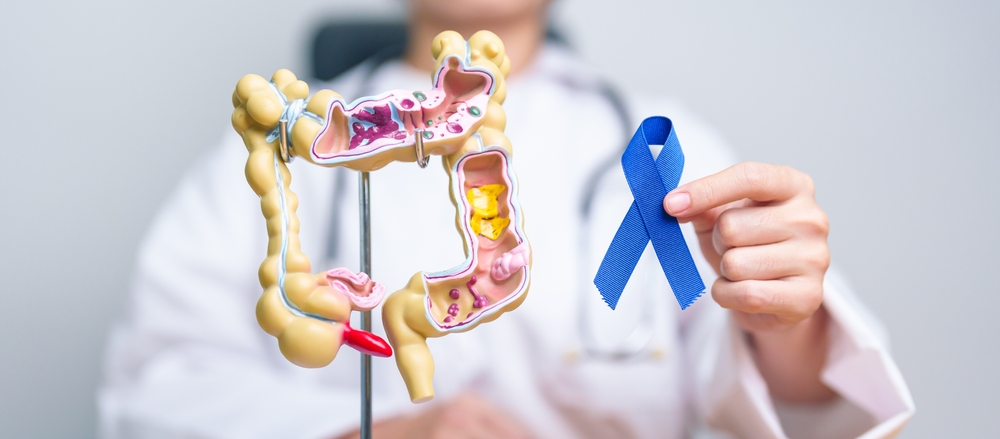
Some cancer cells enter body fluids and are carried to nearby or distant areas. Survival during this journey is difficult, and most cells do not succeed.
This helps explain why spread is a selective and inefficient process.
Why Certain Areas Are More Affected Than Others
Cancer does not spread randomly. Some organs are more likely to be affected based on blood flow patterns, tissue environment, and how receptive the new location is to incoming cells.
The American Cancer Society notes that cancer spread patterns often follow predictable routes
(ACS — What Is Cancer?).
The Importance of the New Environment
For cancer cells to grow in a new location, the environment must support their survival. Many cells reach new areas but fail to establish growth.
This requirement explains why spread does not always lead to new tumors.
Why Cancer Spread Happens Gradually
Cancer spread usually takes place over long periods. Cells must acquire multiple changes that allow them to detach, travel, survive, and grow elsewhere.
This gradual process reflects the accumulation of DNA changes over time
(How DNA Changes Affect Cancer Development).
Why Cancer Spread Differs From Person to Person
Cancer spread is influenced by many factors, including the type of cancer, its growth behavior, and the body’s defenses.
Two people with the same cancer type may experience very different patterns of spread.
The Role of the Immune System
The immune system provides an additional layer of protection by identifying and removing abnormal cells that travel outside their original tissue.
According to the American Cancer Society, immune defenses can eliminate some cancer cells before they establish new growth
(ACS — Immune System and Cancer).
Why Immune Defense Is Not Perfect
While immune surveillance is effective, it is not flawless. Some cancer cells may evade detection, especially if changes occur slowly.
This gradual escape contributes to delayed spread.
How Spread Affects Cancer Stage
Cancer stage often reflects whether spread has occurred and how far it has progressed. Spread to nearby or distant areas is incorporated into staging descriptions.
Understanding this helps explain the connection between spread and stage
(Cancer Staging Explained Simply).
Why Spread Does Not Always Cause New Symptoms
Cancer spread does not automatically cause noticeable symptoms. Effects depend on where cancer grows and how it interacts with surrounding tissue.
Some people may feel well even when spread has occurred
(Signs and Symptoms of Cancer Explained).
Common Myths Revisited
Myth: Cancer spread happens suddenly
Spread is typically a slow, multi-step process.
Myth: Spread always causes pain
Pain depends on location and tissue involvement.
Myth: Spread means loss of control
Spread reflects biological processes, not immediate outcomes.
Why Understanding Cancer Spread Matters
Understanding how cancer spreads helps place cancer in a broader biological context. It highlights why early detection, staging, and monitoring are important parts of cancer education.
This knowledge supports realistic expectations and reduces unnecessary fear.
Key Takeaways
- Cancer spread is a gradual, multi-step process
- Most cancer cells do not survive the journey
- Spread patterns are influenced by biology and environment
- The immune system limits many spreading cells
- Spread affects staging but not immediate symptoms
Disclaimer: This content is for general education only and is not medical advice. Always consult a licensed healthcare professional for guidance about your health.