- DNA Repair Is Essential for Cell Stability
- What "Stopping DNA Repair" Really Means
- Partial Failure, Not Total Shutdown
- How Unrepaired DNA Changes Affect Cells
- Accumulation Over Time
- Why Cells Sometimes Continue Dividing Despite Damage
- DNA Repair Failure and Growth Control Genes
- Connection to Uncontrolled Cell Growth
- Why the Body Often Removes Damaged Cells
- When Protection Systems Are Overwhelmed
- Why Repair Failure Does Not Mean Cancer Is Certain
- Common Misunderstandings
- Myth: DNA repair stops suddenly
- Myth: Repair failure causes immediate illness
- Myth: Unrepaired DNA always leads to cancer
- How This Fits Into Cancer Basics
- DNA Repair Decline Over Time
- Aging Is a Timeline, Not a Trigger
- Why DNA Repair Failure Differs Across Tissues
- High-Turnover Tissues
- The Immune System's Role When Repair Fails
- Immune Surveillance Is Not Perfect
- Why Repair Failure Usually Takes Years to Matter
- Repair Failure Does Not Act Alone
- Why Symptoms Often Appear Late
- Common Myths Revisited
- Myth: DNA repair failure means cancer is unavoidable
- Myth: Repair failure affects all cells equally
- Myth: Repair failure causes sudden disease
- Why This Understanding Matters
- Key Takeaways
Cells rely on DNA repair systems to maintain accurate instructions for growth and function. These systems operate continuously, correcting damage that occurs during normal cell activity and environmental exposure. When DNA repair no longer works as effectively as it should, damaged instructions may persist inside cells. Over time, this can disrupt normal cell behavior and increase the risk of uncontrolled growth.
This article explains what happens when cells stop repairing DNA using clear, non-medical language. It is intended for general education and awareness only. Information is based on trusted public sources such as the National Cancer Institute (NCI), the American Cancer Society (ACS), the National Human Genome Research Institute (NHGRI), and the World Health Organization (WHO).
DNA Repair Is Essential for Cell Stability
DNA repair is one of the body’s most important protective systems. It ensures that genetic instructions remain accurate as cells divide and respond to stress.
According to the National Cancer Institute, DNA repair pathways correct damage before it leads to lasting genetic changes
(NCI — DNA Repair).
When repair systems function properly, damaged DNA is corrected, and the cell continues to behave normally.
What “Stopping DNA Repair” Really Means
Cells do not usually stop repairing DNA suddenly or completely. Instead, repair becomes less effective over time or fails in specific pathways.
The National Human Genome Research Institute explains that defects in DNA repair mechanisms allow genetic changes to accumulate
(NHGRI — DNA Repair).
Partial Failure, Not Total Shutdown
In most cases, some repair systems continue to function while others become less reliable. This partial failure allows certain DNA changes to persist while others are corrected.
This gradual breakdown explains why cancer typically develops slowly rather than suddenly.
How Unrepaired DNA Changes Affect Cells
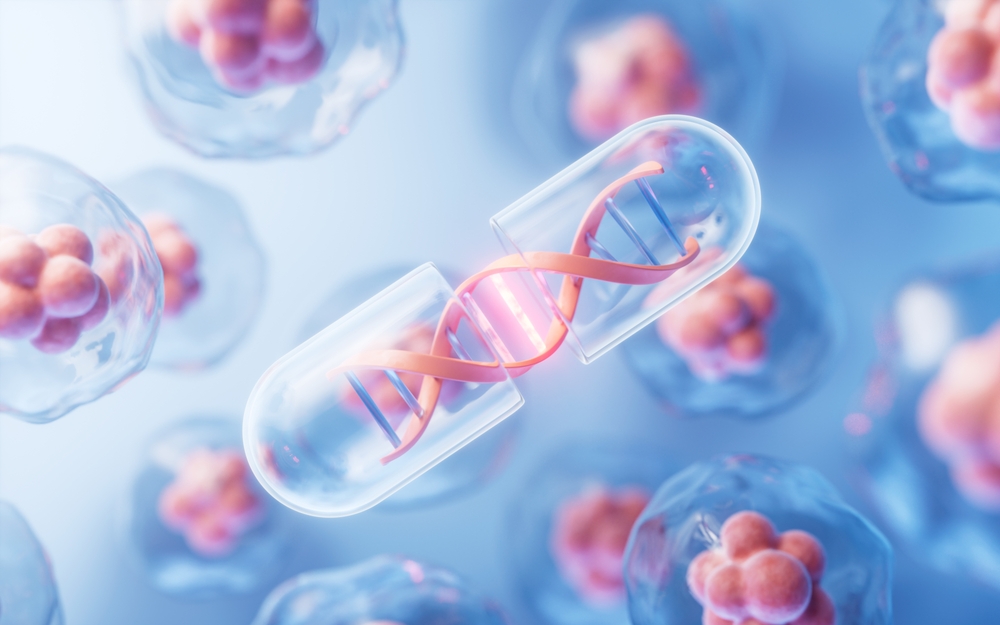
When DNA damage is not repaired, cells may continue operating with altered instructions. Some of these changes may have little effect, while others may affect genes that regulate growth.
The American Cancer Society notes that cancer-related DNA changes often involve genes that control cell division and survival
(ACS — Genes and Cancer).
Accumulation Over Time
A single unrepaired DNA change rarely causes serious problems. Cancer risk increases when multiple unrepaired changes build up in the same cell over many years.
This accumulation process is central to how cancer develops
(How DNA Changes Affect Cancer Development).
Why Cells Sometimes Continue Dividing Despite Damage
Cells normally pause division when DNA damage is detected. This pause allows time for repair. However, if damage detection or repair signals weaken, cells may continue dividing with faulty instructions.
The National Cancer Institute explains that disruptions in growth control systems allow damaged cells to keep dividing
(NCI — What Is Cancer?).
DNA Repair Failure and Growth Control Genes
Some genes act as brakes on cell growth, while others act as accelerators. DNA repair failure becomes especially dangerous when changes affect these growth-control genes.
When braking systems weaken and growth signals remain active, cells may divide more frequently than they should.
Connection to Uncontrolled Cell Growth
Loss of effective DNA repair is closely linked to how uncontrolled cell growth begins
(How Uncontrolled Cell Growth Begins).
Why the Body Often Removes Damaged Cells
Cells that accumulate too much damage may stop dividing permanently or be removed by the body. This protective response prevents unstable cells from spreading.
The American Cancer Society explains that cells with severe DNA damage may undergo permanent growth arrest or cell death
(ACS — Genes and Cancer).
When Protection Systems Are Overwhelmed
Cancer becomes more likely when multiple protection systems fail at the same time. DNA repair failure combined with weakened growth control and immune surveillance allows abnormal cells to persist.
The World Health Organization describes cancer as the result of multiple genetic changes interacting over time
(WHO — Cancer Fact Sheet).
Why Repair Failure Does Not Mean Cancer Is Certain
Even when DNA repair is less effective, many damaged cells never form cancer. Additional safeguards continue to limit abnormal growth.
This is why cancer is relatively uncommon compared to how often DNA damage occurs.
Common Misunderstandings
Myth: DNA repair stops suddenly
Repair usually declines gradually rather than stopping all at once.
Myth: Repair failure causes immediate illness
Early repair problems often cause no symptoms for many years.
Myth: Unrepaired DNA always leads to cancer
Many unrepaired changes never affect critical growth pathways.
How This Fits Into Cancer Basics
Understanding what happens when cells stop repairing DNA helps explain why cancer takes time to develop and why early stages are often silent.
It also connects directly to topics such as
how cells repair DNA damage
and
how DNA changes affect cancer development.
DNA Repair Decline Over Time
DNA repair systems are highly efficient, but they operate continuously throughout life. Over long periods, especially as part of natural aging, some repair pathways may become less reliable. This does not mean that repair stops entirely. Instead, certain types of damage may be corrected less accurately than before.
The National Cancer Institute explains that aging is one of the strongest risk factors for cancer because DNA damage accumulates naturally over time and repair efficiency may decline
(NCI — Age and Cancer Risk).
Aging Is a Timeline, Not a Trigger
Aging does not cause cancer by itself. It simply provides more time for DNA changes to accumulate and for repair systems to face repeated challenges.
This helps explain why most cancers are diagnosed later in life while many older adults never develop cancer at all.
Why DNA Repair Failure Differs Across Tissues
Not all tissues in the body behave the same way. Some cells divide frequently, while others divide rarely. Tissues with higher rates of cell division have more opportunities for DNA copying errors and repair stress.
This variation helps explain why some cancers are more common in certain tissues
(NCI — What Is Cancer?).
High-Turnover Tissues
Cells in tissues such as skin, blood, and the lining of the digestive system divide often. Frequent division increases the workload on DNA repair systems.
Even with strong repair mechanisms, repeated stress can allow occasional changes to persist.
The Immune System’s Role When Repair Fails
The immune system provides another layer of protection by identifying and removing abnormal cells. Cells with significant DNA damage may display signals that attract immune attention.
According to the American Cancer Society, the immune system can recognize and eliminate some abnormal cells before they become harmful
(ACS — Immune System and Cancer).
Immune Surveillance Is Not Perfect
While immune surveillance is effective, it does not eliminate every abnormal cell. Some damaged cells may evade detection, especially if changes occur gradually.
This gradual escape contributes to the slow development of cancer.
Why Repair Failure Usually Takes Years to Matter
DNA repair failure rarely leads to immediate disease. Instead, small errors accumulate slowly. Cells may continue functioning normally for long periods despite minor defects.
Cancer develops only after multiple changes affect growth control, survival signals, and immune recognition
(How Uncontrolled Cell Growth Begins).
Repair Failure Does Not Act Alone
DNA repair failure is only one part of a complex process. Cancer requires the breakdown of several protective systems working together.
These include:
- Accurate DNA repair
- Growth control signals
- Cell cycle checkpoints
- Immune surveillance
Only when multiple systems weaken does cancer become more likely
(How DNA Changes Affect Cancer Development).
Why Symptoms Often Appear Late
Early repair failure occurs at the cellular level and does not immediately disrupt tissue function. As a result, people usually feel well for long periods.
This explains why cancer is often difficult to detect early without testing
(CDC — Early Detection).
Common Myths Revisited
Myth: DNA repair failure means cancer is unavoidable
Many people with reduced repair efficiency never develop cancer.
Myth: Repair failure affects all cells equally
Repair effectiveness varies by tissue, age, and cell type.
Myth: Repair failure causes sudden disease
Cancer development is typically slow and gradual.
Why This Understanding Matters
Understanding what happens when cells stop repairing DNA helps place cancer in a broader biological context. It shows that cancer usually results from long-term processes rather than sudden events.
This knowledge supports calm awareness, realistic expectations, and compassionate conversations for individuals and families.
Key Takeaways
- DNA repair is essential for cell stability
- Repair efficiency may decline gradually over time
- Different tissues experience repair stress differently
- The immune system adds another protective layer
- Cancer develops only when multiple safeguards fail
Disclaimer: This content is for general education only and is not medical advice. Always consult a licensed healthcare professional for guidance about your health.