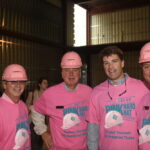
- Why Volunteers Matter in Community Cancer Awareness
- Defining the Volunteer Role Clearly
- Emphasizing Education-Only Boundaries
- Building Confidence Without Creating Authority
- Using Trusted and Consistent Information Sources
- Preparing Volunteers for Sensitive Conversations
- Respecting Privacy and Personal Choice
- Adapting Training for Different Community Settings
- Structuring Effective Volunteer Training Programs
- Providing Clear and Practical Talking Points
- Training Volunteers to Handle Common Questions
- Supporting Volunteers During Emotional Interactions
- Reinforcing Privacy and Confidentiality Expectations
- Providing Ongoing Support and Check-Ins
- Preparing Volunteers for Different Community Settings
- Encouraging Volunteers to Know Their Limits
- Documenting Training and Shared Expectations
- Long-Term Impact of Well-Trained Community Volunteers
- Building Community Trust Through Responsible Engagement
- Protecting Volunteers and Organizations
- Reducing Burnout and Supporting Volunteer Well-Being
- Strengthening Community Capacity for Education
- Supporting Equity and Inclusion Through Volunteer Engagement
- Sustaining Volunteer Programs Over Time
- Looking Ahead
Community volunteers play an important role in spreading cancer awareness outside formal organizations and institutions. Volunteers often act as trusted neighbors, friends, and helpers who naturally connect with others in daily life. When volunteers are trained well, they can help share cancer awareness in ways that are accurate, calm, and respectful–without giving medical advice. This article explains why volunteer training is important, how volunteers can support cancer awareness safely, and what basic guidelines help protect both volunteers and community members.
Why Volunteers Matter in Community Cancer Awareness
Volunteers often reach people that formal systems may not. Their presence in neighborhoods, schools, events, and local programs makes awareness feel friendly and easy to understand. Volunteers matter because they:
- Have trusted relationships within their communities
- Understand local culture and ways of communicating
- Extend the reach of nonprofit and community programs
- Support learning through peer-to-peer connection
The Centers for Disease Control and Prevention (CDC) values trained community members as important helpers in public health education.
Defining the Volunteer Role Clearly
It is important to have a clear role for volunteers to keep awareness efforts safe and effective. Volunteers should know exactly what they should do–and what they should not do. Clear volunteer roles include:
- Sharing general, non-medical information
- Handing out educational materials
- Referring people to trusted resources
- Listening respectfully without giving advice
It is also important to be clear about limits, such as not making diagnoses, suggesting treatments, or talking about personal medical issues.
Emphasizing Education-Only Boundaries
Volunteer training must stress that cancer awareness work is for education only. This protects community members from wrong information and protects volunteers from pressure or legal problems. Education-only boundaries include:
- Using simple, true language
- Avoiding personal opinions or recommendations
- Referring health questions to licensed professionals
- Making it clear that information is for education
The National Cancer Institute (NCI) stresses clear educational messages in public cancer communication.
Building Confidence Without Creating Authority
Volunteer training should help volunteers feel confident about sharing information while making sure they don’t seem like experts or advisors. Healthy confidence includes:
- Giving simple talking points
- Providing approved educational materials
- Encouraging honesty when answers are not known
- Reminding volunteers to refer to reliable sources
This helps volunteers feel ready without going beyond their role.
Using Trusted and Consistent Information Sources
Volunteers should use only well-known, trusted organizations for awareness materials and information. Trusted sources include:
- Centers for Disease Control and Prevention
- National Cancer Institute
- American Cancer Society
- World Health Organization
The American Cancer Society gives easy-to-understand resources good for community education.
Preparing Volunteers for Sensitive Conversations
Talking about cancer can be emotional. Volunteers should be ready to respond with kindness while staying within their role. Preparation means:
- Listening without interrupting or judging
- Recognizing feelings without guessing
- Avoiding questions about personal health
- Giving trusted resources when needed
This way, volunteers show care without giving advice.
Respecting Privacy and Personal Choice
Community members should always be free to join–or not join–awareness activities. Privacy-respecting ways include:
- Offering materials without forcing
- Not talking about personal stories in public
- Allowing anonymous or self-guided learning
- Respecting when someone says no to information
The World Health Organization (WHO) says respect and choosing for yourself are very important in public health education.
Adapting Training for Different Community Settings
Volunteers might work in schools, libraries, events, workplaces, or rural areas. Training should fit these different places. Adaptation can include:
- Using examples that match local settings
- Talking about clear language for different groups
- Reviewing role limits for each setting
- Explaining who to contact with questions
Structuring Effective Volunteer Training Programs
Volunteer training for cancer awareness doesn’t have to be complicated but should be clear and well-organized. A good structure helps volunteers know what to expect and be ready to help responsibly. Good training usually includes:
- An overview of why cancer awareness matters
- Clear explanation of volunteer roles and limits
- Introduction to approved educational tools
- Guidance on respectful communication
Simple, focused training helps maintain consistency and confidence.
Providing Clear and Practical Talking Points
Volunteers do well when they have approved talking points to guide conversations without needing to make it up. Useful talking points include:
- Explaining what cancer awareness is
- Making clear that information is for education only
- Pointing people to trusted organizations
- Encouraging learning on their own
The National Cancer Institute (NCI) supports clear, patient-friendly language in public education.
Training Volunteers to Handle Common Questions
Volunteers may be asked questions beyond awareness. Training should help them answer safely without going beyond their role. Prepared answers include:
- “I can’t give medical advice, but I can share trusted resources.”
- “This information is for general education only.”
- “A healthcare professional can best answer that question.”
- “Here is a trusted group that explains this well.”
Practicing these answers helps volunteers stay within their boundaries.
Supporting Volunteers During Emotional Interactions
Some community members may share feelings about cancer. Volunteers should be supported to respond kindly while keeping limits. Supportive ways include:
- Listening carefully without interrupting
- Recognizing feelings without making guesses
- Avoiding advice or personal views
- Offering educational resources if it fits
The American Cancer Society highlights kind communication in cancer education.
Reinforcing Privacy and Confidentiality Expectations
Training should clearly explain privacy. Even simple talks can feel sensitive in close communities. Privacy guidance includes:
- Not asking personal health questions
- Not sharing others’ stories
- Respecting if someone chooses not to talk
- Being careful in all settings
The World Health Organization (WHO) says privacy and dignity are key in public health communication.
Providing Ongoing Support and Check-Ins
Training isn’t just a one-time event. Ongoing support helps volunteers feel ready and keeps them within educational limits. Ongoing support can include:
- Regular meetings with coordinators
- Times to ask questions or share worries
- Updates to materials or rules
- Refresher sessions when needed
Continued support keeps volunteers consistent.
Preparing Volunteers for Different Community Settings
Volunteers work in many places, each with different rules. Training should cover:
- Behavior at public events
- Quiet, self-help approaches in libraries or centers
- Limits in work or school places
- Cultural respect in diverse groups
Understanding the setting helps avoid problems.
Encouraging Volunteers to Know Their Limits
One of the most important lessons is knowing when to step back. Volunteers should be encouraged to:
- Stop talks that get too personal
- Send people to the right professionals
- Ask coordinators if unsure
- Take care of their own feelings
The Centers for Disease Control and Prevention (CDC) supports clear role rules for community educators.
Documenting Training and Shared Expectations
Written guidelines help remind volunteers of training and keep things consistent. Helpful documents can include:
- Short role descriptions
- Approved talking points
- Lists of trusted resources
- Contact details for coordinators
Long-Term Impact of Well-Trained Community Volunteers
When community volunteers are trained carefully and supported over time, their effect on cancer awareness goes beyond single events or talks. Responsible volunteer work makes accurate, calm education part of everyday community life. Long-term impact includes:
- More consistent messages about cancer awareness
- Less wrong information because of clear limits
- More trust in community education efforts
- Stronger ties between community members and good resources
The Centers for Disease Control and Prevention (CDC) sees trained community members as key to lasting public health education.
Building Community Trust Through Responsible Engagement
Volunteers who communicate clearly and respectfully help build trust. Community members are more likely to join in when they feel safe and not judged. Trust grows because of:
- Using approved educational language all the time
- Being clear about what volunteers can and can’t do
- Respecting privacy and personal choices
- Referring people to trusted groups
The American Cancer Society stresses trust and clear messages for good cancer awareness.
Protecting Volunteers and Organizations
Clear training protects not only community members but also volunteers and the groups they work for. Protection includes:
- Clear limits on education-only work
- Guidance on handling sensitive talks
- Steps for handling tough situations
- Ongoing support and supervision
The National Cancer Institute (NCI) says clear role definitions are important for responsible public education.
Reducing Burnout and Supporting Volunteer Well-Being
Volunteers can keep helping longer if their feelings are protected. Training that includes self-care and limits helps avoid burnout. Helpful practices include:
- Encouraging volunteers to take breaks
- Providing places to talk about worries
- Normalizing limits and sending people to professionals
- Recognizing volunteer efforts
This helps volunteers stay involved for a long time.
Strengthening Community Capacity for Education
Over time, trained volunteers help a community become better at talking about health topics safely. Capacity-building results include:
- More informed and confident community talks
- Better awareness of trusted information sources
- More comfort in discussing sensitive topics
- Larger networks of informed community members
The World Health Organization (WHO) sees building community ability as a key result of good public education.
Supporting Equity and Inclusion Through Volunteer Engagement
Volunteers often represent the diversity of their communities. Good training makes sure awareness efforts include everyone and are easy to access. Inclusive results can include:
- More culturally fitting communication
- Better reach to underserved groups
- Respect for different comfort levels and beliefs
- More access to educational materials
Inclusive efforts support fairness and trust.
Sustaining Volunteer Programs Over Time
To last, volunteer programs need ongoing care, thanks, and flexibility. Programs do well when they change with community needs. Sustainable practices include:
- Updating training materials regularly
- Keeping communication open with volunteers
- Recognizing volunteer achievements
- Adjusting based on feedback and new needs
These actions help keep programs alive and useful.
Looking Ahead
Training community volunteers to share cancer awareness responsibly makes education better through trust, clear messages, and care. When volunteers are well-prepared and supported, awareness efforts stay accurate, respectful, and lasting. By putting effort into good training and ongoing support, communities can make sure volunteer-led awareness stays a positive and trusted resource for learning and connection.
Disclaimer: This content is for general education only and is not medical advice. Always consult a licensed healthcare professional for guidance about your health.