- What Is DNA?
- DNA as an Instruction System
- What Are DNA Changes?
- Inherited vs Acquired Changes
- How DNA Changes Happen
- Natural Cell Processes
- The Role of DNA Repair
- Why Most DNA Changes Do Not Cause Cancer
- Genes That Influence Cell Growth
- Why One DNA Change Is Usually Not Enough
- DNA Changes and Time
- Common Myths About DNA and Cancer
- Myth: All DNA changes cause cancer
- Myth: Cancer is always inherited
- Myth: DNA damage means cancer is inevitable
- Why Understanding DNA Changes Matters
- Environmental Influences on DNA Changes
- Environmental Factors and DNA
- Lifestyle Factors and DNA Changes
- DNA Changes Are Still a Multi-Step Process
- DNA Changes vs Normal Aging
- Aging Does Not Equal Cancer
- Why Cancer Develops Slowly
- Multiple Layers of Protection
- Why Early DNA Changes Rarely Cause Symptoms
- Why Most DNA Changes Never Lead to Cancer
- Common Misunderstandings About DNA Changes
- Myth: One mutation causes cancer
- Myth: DNA damage means cancer is unavoidable
- Myth: All mutations are harmful
- Why This Knowledge Is Important
- Key Takeaways
- Further Reading (Authoritative Sources)
DNA plays a central role in how cells function, grow, and respond to their environment. Every cell in the human body contains DNA, which acts as an instruction manual guiding normal cell behavior. Over time, changes can occur in DNA. Most of these changes are harmless, and many are repaired by the body. In some situations, however, certain DNA changes can contribute to the gradual development of cancer.
This article explains how DNA changes affect cancer development in clear, non-medical language. It is intended for general education and awareness only. Information is based on trusted public sources, including the National Cancer Institute (NCI), the American Cancer Society (ACS), the World Health Organization (WHO), and the National Human Genome Research Institute (NHGRI).
What Is DNA?
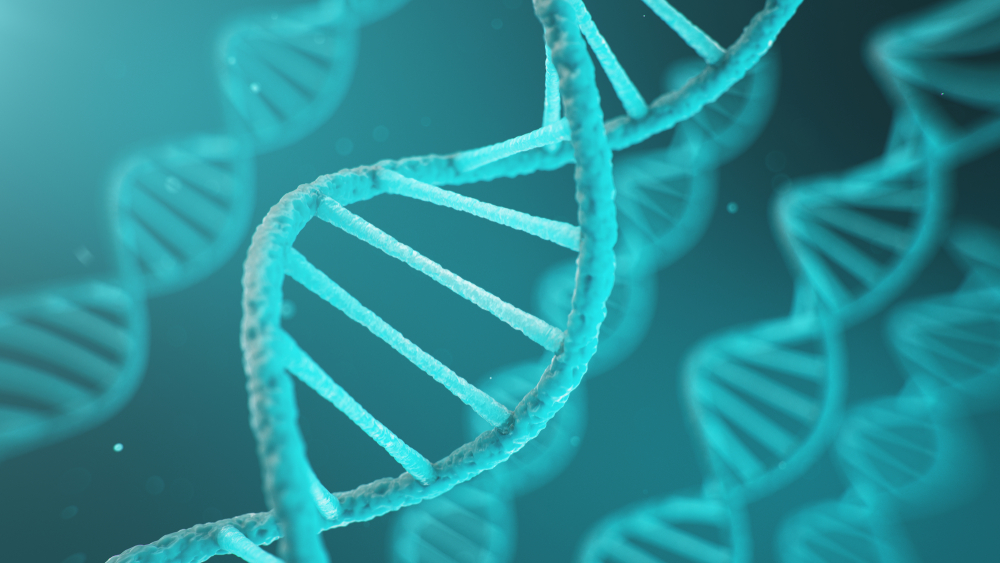
DNA, short for deoxyribonucleic acid, is the molecule that carries genetic instructions used in the growth, development, and function of all living organisms. In humans, DNA is organized into structures called genes.
According to the National Human Genome Research Institute, genes provide instructions for making proteins that control how cells work
(NHGRI — DNA).
DNA as an Instruction System
Each cell relies on DNA instructions to know when to grow, divide, repair damage, and stop dividing. These instructions help maintain balance in tissues and organs.
When DNA instructions are accurate, cells behave in an orderly and predictable way.
What Are DNA Changes?
DNA changes, often called mutations, are alterations in the DNA sequence. These changes can affect how genes function.
The National Cancer Institute explains that mutations can be inherited or acquired over a person’s lifetime
(NCI — Gene Mutations).
Inherited vs Acquired Changes
- Inherited DNA changes are passed from parents to children and are present in all cells.
- Acquired DNA changes develop over time in specific cells and are not passed to offspring.
Most cancers are linked to acquired DNA changes rather than inherited ones
(NCI — Genetics of Cancer).
How DNA Changes Happen
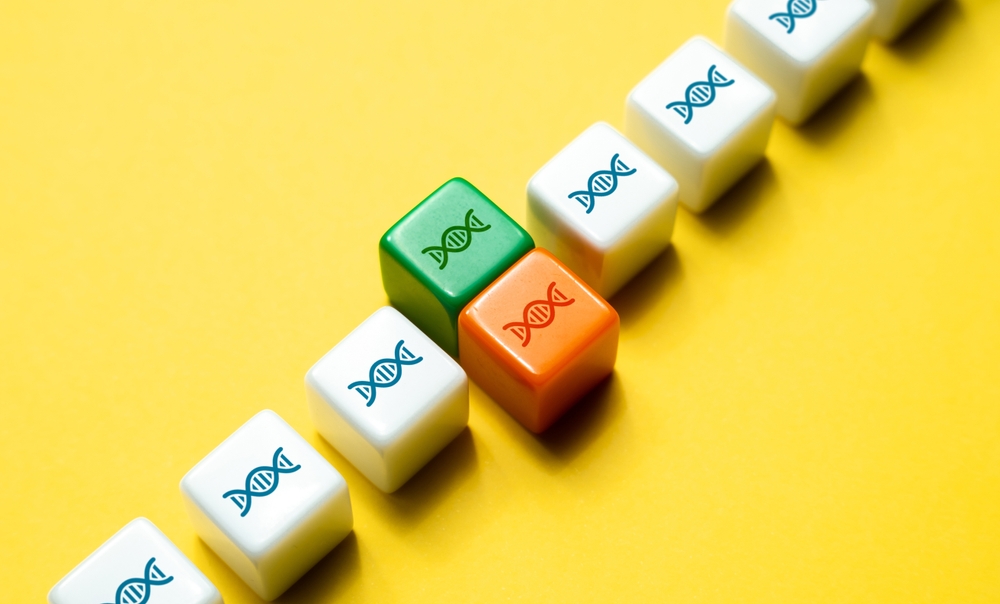
DNA changes can occur for many reasons. Some happen naturally during normal cell division. Others result from exposure to environmental factors.
The World Health Organization notes that cancer arises from the transformation of normal cells into tumor cells through a multistep process involving DNA changes
(WHO — Cancer Fact Sheet).
Natural Cell Processes
Every time a cell divides, its DNA must be copied. Although this process is highly accurate, small errors can occasionally occur.
The body has built-in repair systems that correct most of these errors before they cause problems.
The Role of DNA Repair
Cells are equipped with DNA repair mechanisms that constantly monitor and fix damage. These systems are one of the body’s strongest defenses against cancer.
According to the American Cancer Society, cells usually repair DNA damage before it affects cell behavior
(ACS — Genes and Cancer).
Why Most DNA Changes Do Not Cause Cancer
Most DNA changes are either repaired or occur in genes that do not affect cell growth. Some changes may even have no noticeable effect at all.
Cancer develops only when certain critical genes involved in growth control are affected and multiple changes accumulate over time.
Genes That Influence Cell Growth
Some genes play key roles in controlling how cells grow and divide. When DNA changes affect these genes, cell behavior may change.
The National Cancer Institute describes two broad categories of genes involved in cancer development: genes that promote cell growth and genes that limit it
(NCI — Genes Involved in Cancer).
Why One DNA Change Is Usually Not Enough
Cancer rarely develops from a single DNA change. Instead, multiple changes usually build up in the same cell over many years.
This gradual process explains why cancer often develops later in life and why early stages usually have no symptoms.
DNA Changes and Time
Time plays a critical role in cancer development. The longer cells live and divide, the more opportunities there are for DNA changes to occur.
This helps explain why age is one of the strongest risk factors for cancer, even though aging itself does not cause cancer
(NCI — Age and Cancer Risk).
Common Myths About DNA and Cancer
Myth: All DNA changes cause cancer
Most DNA changes are harmless and never lead to disease.
Myth: Cancer is always inherited
Only a small percentage of cancers are linked to inherited DNA changes
(ACS — What Causes Cancer?).
Myth: DNA damage means cancer is inevitable
The body repairs DNA damage constantly, and many layers of protection prevent cancer development.
Why Understanding DNA Changes Matters
Understanding how DNA changes affect cancer development helps reduce fear and misinformation. It shows that cancer is usually the result of a long, complex process rather than a single event.
Education empowers individuals and families to view cancer through a scientific and compassionate lens.
- [SUPPORTING] how-cells-repair-dna-damage
- [SUPPORTING] what-happens-when-cells-stop-repairing-dna
- [NORMAL] how-uncontrolled-cell-growth-begins
Environmental Influences on DNA Changes
In addition to natural processes inside the body, DNA changes can also be influenced by factors in the environment. These influences do not act instantly or independently. Instead, they may increase the chance that DNA changes occur or persist over time.
The National Cancer Institute explains that environmental exposures can contribute to DNA damage, especially when exposure is repeated or long-term
(NCI — Cancer Risk Factors).
Environmental Factors and DNA
Environmental factors may include substances in the air, water, or workplace, as well as certain forms of radiation. These factors can place stress on cells, increasing the likelihood of DNA damage during normal cell activity.
The World Health Organization describes cancer as the result of interactions between genetic factors and environmental exposures over time
(WHO — Cancer Fact Sheet).
Lifestyle Factors and DNA Changes
Lifestyle factors can also influence how often DNA changes occur or how effectively cells repair damage. These influences do not directly cause cancer but may affect long-term risk by interacting with normal biological processes.
The American Cancer Society notes that lifestyle-related factors can affect cancer risk by influencing cell health and DNA stability
(ACS — Cancer Risk & Prevention).
DNA Changes Are Still a Multi-Step Process
Even when environmental or lifestyle factors are present, cancer does not develop immediately. DNA changes must accumulate, affect key growth-control genes, and bypass multiple protective systems.
This explains why many people with similar exposures never develop cancer, while others may.
DNA Changes vs Normal Aging
As people age, cells divide many times and DNA repair systems work continuously. Over decades, small imperfections may remain despite effective repair.
The National Cancer Institute explains that aging is one of the strongest risk factors for cancer because DNA changes accumulate naturally over time
(NCI — Age and Cancer Risk).
Aging Does Not Equal Cancer
Although cancer risk increases with age, most older adults do not develop cancer. This highlights how effective DNA repair and cellular control systems are for most people.
Aging provides more time for changes to accumulate, but additional steps are still required for cancer to develop.
Why Cancer Develops Slowly
Cancer is usually a slow process because multiple DNA changes must occur in the same cell. Each change may slightly alter how the cell behaves, but no single change is usually enough on its own.
The National Cancer Institute emphasizes that cancer typically develops through a series of genetic changes that happen gradually
(NCI — How Cancer Forms).
Multiple Layers of Protection
Cells have several layers of protection, including:
- DNA repair systems
- Cell growth checkpoints
- Signals that stop abnormal division
- Immune system surveillance
Cancer develops only when multiple protective layers are bypassed over time.
Why Early DNA Changes Rarely Cause Symptoms
Early DNA changes occur inside cells and do not immediately affect how tissues function. As a result, people usually feel completely normal during early stages.
This explains why cancer is often difficult to detect early without screening or testing
(CDC — Early Detection).
Why Most DNA Changes Never Lead to Cancer
The majority of DNA changes are either repaired or occur in areas of DNA that do not affect cell growth. Some changes may even cause damaged cells to stop dividing.
The American Cancer Society highlights that cancer is uncommon relative to how often DNA damage occurs
(ACS — Genes and Cancer).
Common Misunderstandings About DNA Changes
Myth: One mutation causes cancer
Cancer usually requires many DNA changes accumulating over time.
Myth: DNA damage means cancer is unavoidable
Cells repair DNA damage constantly, and many layers of defense prevent cancer.
Myth: All mutations are harmful
Many mutations have no effect or may even be beneficial.
Why This Knowledge Is Important
Understanding how DNA changes affect cancer development helps people view cancer as a biological process rather than a sudden or mysterious event. This perspective supports calm awareness rather than fear.
Education also helps reduce stigma and encourages supportive conversations for individuals and families affected by cancer.
Key Takeaways
- DNA carries instructions that control cell behavior
- DNA changes are common and usually harmless
- The body repairs most DNA damage
- Cancer develops when multiple changes accumulate over time
- Aging increases opportunity for changes, not certainty of cancer
Further Reading (Authoritative Sources)
- National Cancer Institute — What Is Cancer?
- National Human Genome Research Institute — DNA
- American Cancer Society — Genes and Cancer
- World Health Organization — Cancer Fact Sheet
- CDC — Cancer Early Detection
Disclaimer: This content is for general education only and is not medical advice. Always consult a licensed healthcare professional for guidance about your health.