- How Cancer Develops at a Basic Level
- DNA Changes and Cancer Development
- Genetics and Cancer Risk
- Inherited Genetic Factors
- Family History and Genetics
- Environmental Causes of Cancer
- Exposure to Harmful Substances
- Radiation and Cancer Risk
- Why No Single Cause Explains Cancer
- Lifestyle-Related Causes of Cancer
- Tobacco Exposure
- Alcohol Use
- Nutrition and Dietary Patterns
- Physical Activity and Movement
- Body Weight and Metabolic Influences
- Hormonal Influences on Cancer Development
- The Role of the Immune System
- Infections and Cancer Development
- Chronic Inflammation and Tissue Damage
- Combined and Cumulative Causes of Cancer
- Social and Environmental Context
- Why Cancer Causes Differ From Person to Person
- Common Myths About Cancer Causes
- Myth: Cancer Has One Main Cause
- Myth: Cancer Is Always Preventable
- Myth: Cancer Is Caused by Personal Failure
- Why Understanding Cancer Causes Matters
- How Understanding Cancer Causes Supports Prevention Education
- The Importance of a Balanced Perspective
- Why Cancer Research Continues to Evolve
- Summary
Cancer is often described as a disease with many possible causes rather than a single origin. This is because cancer develops through a complex process involving changes inside the body that build up over time. These changes are influenced by a combination of genetic factors, environmental exposures, and lifestyle-related influences.Q
Understanding what causes cancer does not mean identifying one specific event or action that leads to disease. In most cases, cancer develops due to the interaction of several factors over many years. Some of these factors are inherited, some come from the environment, and others are related to daily habits and circumstances.
This pillar article explains the major categories of cancer causes in a clear and non-alarming way. The goal is education and awareness–not diagnosis or treatment–so individuals and families can better understand how cancer develops and why risk differs from person to person.
How Cancer Develops at a Basic Level
To understand what causes cancer, it helps to first understand how cancer begins inside the body. Cancer starts when normal cells undergo changes that affect how they grow, divide, and respond to signals that normally keep them under control.
Healthy cells follow strict rules that regulate:
- When cells grow
- When cells divide
- How damage is repaired
- When cells stop functioning and are removed
Cancer develops when these control systems are disrupted. This disruption usually happens gradually as changes accumulate in a cell’s DNA over time.
These DNA changes may be influenced by inherited traits, environmental exposures, or internal processes related to aging and normal cell activity.
DNA Changes and Cancer Development
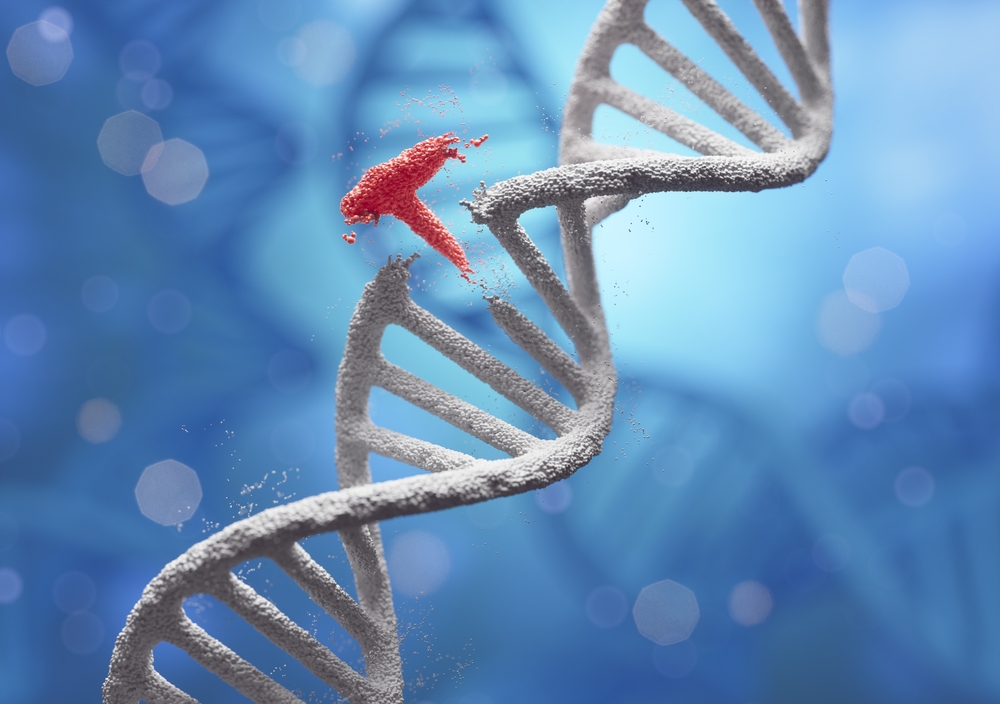
DNA contains the instructions that guide how cells behave. When DNA is altered, cells may begin to behave differently than intended. Some DNA changes interfere with normal growth controls, allowing cells to grow or survive when they should not.
DNA changes can occur for many reasons, including:
- Natural aging processes
- Errors during cell division
- Exposure to certain environmental factors
- Inherited genetic traits
Most DNA changes are repaired by the body or result in the affected cell being removed. Cancer becomes possible when multiple protective systems fail and abnormal cells continue to survive and multiply.
Genetics and Cancer Risk
Genetics refers to the traits passed from parents to children through genes. Genes influence how cells grow, repair damage, and respond to changes in the body. Some genetic traits can increase the likelihood that certain DNA changes will occur or persist.
It is important to understand that genetics rarely acts alone. Most cancers are not caused solely by inherited genes.
Inherited Genetic Factors
In some cases, individuals inherit genetic changes that affect how cells repair DNA or control growth. These inherited changes may increase cancer risk, but they do not guarantee that cancer will develop.
Inherited genetic factors:
- Are relatively uncommon
- Do not cause cancer by themselves
- Interact with other influences over time
Many people with inherited genetic risk never develop cancer, while many people diagnosed with cancer have no known inherited risk.
Family History and Genetics
A family history of cancer may reflect shared genetic traits, shared environments, or shared lifestyle patterns. In some families, multiple factors may overlap, making cancer appear more frequently.
Family history does not mean cancer is inevitable. It simply represents one piece of a much larger picture.
Environmental Causes of Cancer
Environmental factors include exposures that come from the surrounding environment rather than from within the body. These exposures can influence cancer risk by increasing the likelihood of DNA damage or interfering with normal cellular processes.
Environmental causes of cancer vary widely and may depend on where people live, work, and spend time.
Exposure to Harmful Substances
Some substances in the environment can damage DNA or disrupt cell behavior when exposure is significant or long-term. These substances may be present in:
- Air pollution
- Industrial chemicals
- Certain occupational settings
The effect of environmental exposure depends on factors such as duration, concentration, and individual susceptibility.
Radiation and Cancer Risk
Radiation is another environmental factor that can damage DNA. Radiation exposure may come from natural sources, medical imaging, or environmental conditions.
Not all radiation exposure is harmful. Risk depends on exposure level, duration, and context.
Why No Single Cause Explains Cancer
One of the most important concepts in cancer education is that cancer rarely has a single cause. Instead, it develops through the interaction of multiple influences over time.
This explains why:
- People with similar exposures may have different outcomes
- Cancer risk changes throughout life
- Prevention efforts focus on reducing risk rather than eliminating it entirely
Understanding cancer causes requires looking at the full picture rather than isolating one factor.
Lifestyle-Related Causes of Cancer
Lifestyle-related factors are influences connected to daily habits, long-term behaviors, and surrounding circumstances. These factors do not act in isolation and do not determine whether cancer will occur. Instead, they may affect how cells respond to damage, how DNA changes accumulate, and how the body maintains balance over time.
It is essential to approach lifestyle-related causes of cancer without blame or judgment. Cancer is never caused by a single choice, and many lifestyle patterns are shaped by access, environment, culture, and life circumstances.
Tobacco Exposure
Tobacco exposure is one of the most widely recognized factors associated with cancer development. Tobacco smoke contains substances that can damage DNA and interfere with the body’s natural repair mechanisms.
Tobacco exposure may occur through:
- Direct use of tobacco products
- Secondhand smoke
- Long-term environmental exposure
The level of risk associated with tobacco exposure depends on duration, intensity, and individual biological factors. Not everyone exposed to tobacco develops cancer, and many people diagnosed with cancer have never used tobacco.
Alcohol Use
Alcohol consumption has been linked to cancer risk in some populations. Alcohol may influence cancer development by affecting how cells process toxins, altering hormone levels, and increasing inflammation within tissues.
The relationship between alcohol and cancer risk is complex and influenced by:
- Patterns of consumption
- Length of exposure over time
- Individual metabolism and biology
Many people who consume alcohol never develop cancer, and cancer can occur in people who do not drink alcohol at all.
Nutrition and Dietary Patterns
Nutrition plays an important role in overall health and may influence cancer risk indirectly. Rather than focusing on individual foods, research examines long-term dietary patterns and how they affect inflammation, hormone regulation, and immune function.
No single food causes cancer, and no single food prevents it. Cancer risk reflects how multiple dietary factors interact with genetics, environment, and lifestyle over time.
Dietary patterns may influence cancer development by:
- Affecting inflammation levels
- Supporting or impairing immune function
- Influencing hormone balance
Physical Activity and Movement
Physical activity influences many systems in the body, including metabolism, circulation, and immune response. Activity patterns may affect cancer risk indirectly by supporting normal cell regulation.
Levels of physical activity vary widely due to work demands, health conditions, access to safe environments, and cultural factors. Cancer risk is not determined by activity level alone.

Body Weight and Metabolic Influences
Body weight may influence cancer risk through complex biological processes involving hormones, inflammation, and metabolism. This relationship is not the same for everyone and varies by cancer type.
It is important to emphasize that:
- Body weight is influenced by genetics, environment, and life circumstances
- Cancer risk is never caused by body weight alone
- Stigma and blame are harmful and inaccurate
Many people of all body types are diagnosed with cancer, and many people with higher body weight never develop cancer.
Hormonal Influences on Cancer Development
Hormones are chemical messengers that help regulate growth, development, metabolism, and many other bodily processes. Changes in hormone levels over time may influence cancer risk for certain types of cancer.
Hormonal influences may be affected by:
- Natural life stages such as puberty or aging
- Biological differences between individuals
- Underlying health conditions
Hormones interact with other systems in the body, making their role in cancer development complex and individualized.
The Role of the Immune System
The immune system plays a critical role in identifying and removing abnormal cells. In many cases, immune cells recognize and destroy cells that do not behave normally before they can cause harm.
Cancer development may become possible when:
- Immune responses are weakened
- Abnormal cells avoid immune detection
- Immune signaling is disrupted
Immune function can be influenced by age, chronic conditions, infections, and overall health. Differences in immune response help explain why cancer risk varies among individuals.
Infections and Cancer Development
Some infections have been associated with an increased risk of developing certain types of cancer. These infections do not cause cancer directly in most cases. Instead, they may contribute to long-term changes in the body that make cancer development more likely over time.
Infections linked to cancer development may influence risk by:
- Causing long-term inflammation
- Altering immune system responses
- Interfering with normal cell control mechanisms
It is important to understand that most people exposed to these infections never develop cancer. Risk depends on many factors, including immune response, duration of infection, and overall health.
Chronic Inflammation and Tissue Damage
Inflammation is a natural part of the body’s response to injury or infection. In the short term, inflammation helps protect and heal tissues. However, when inflammation becomes long-lasting, it may contribute to changes that increase cancer risk.
Chronic inflammation can:
- Increase the rate at which cells divide
- Create conditions where DNA damage is more likely
- Disrupt normal communication between cells
Sources of chronic inflammation may include infections, autoimmune conditions, long-term irritation, or ongoing tissue injury. Not everyone with chronic inflammation develops cancer.
Combined and Cumulative Causes of Cancer
Cancer rarely develops due to a single cause. In most cases, cancer results from the combined and cumulative effects of multiple influences acting together over time.
These influences may include:
- Inherited genetic traits
- Environmental exposures
- Lifestyle-related factors
- Age-related cellular changes
These factors may interact in complex ways. For example, genetic traits may influence how the body responds to environmental exposures, or age-related changes may affect how efficiently cells repair damage caused by other factors.
This cumulative effect helps explain why cancer risk varies widely among individuals and why no single cause can explain cancer development.
Social and Environmental Context
Cancer risk is also shaped by social and environmental conditions. These include factors related to where people live, work, and spend time, as well as access to resources that support health.
Social and environmental context may influence cancer risk through:
- Exposure to environmental hazards
- Access to nutritious food
- Opportunities for physical activity
- Access to healthcare and preventive services
Many of these factors are outside an individual’s direct control. Understanding social context reinforces the importance of public health efforts and community-level support.
Why Cancer Causes Differ From Person to Person
One of the most important aspects of cancer education is recognizing that cancer does not develop the same way in everyone. Even when people share similar exposures or behaviors, outcomes may differ.
This variability is influenced by:
- Individual genetic makeup
- Differences in immune response
- Timing and duration of exposures
- Overall health and resilience
Because of this complexity, cancer prevention focuses on reducing risk rather than eliminating it entirely.
Common Myths About Cancer Causes
Myth: Cancer Has One Main Cause
Cancer develops through the interaction of multiple factors over time. Rarely does a single cause explain cancer development.
Myth: Cancer Is Always Preventable
While some risk factors can be reduced, cancer cannot always be prevented. Some influences, such as genetics and aging, cannot be changed.
Myth: Cancer Is Caused by Personal Failure
This belief can lead to stigma and blame. In reality, cancer development is influenced by many factors beyond personal control.
Why Understanding Cancer Causes Matters
Learning about what causes cancer helps individuals and families better understand how risk develops over time. Education supports informed discussions, reduces fear, and promotes realistic expectations.
Understanding cancer causes also supports:
- Public health awareness
- Prevention and early detection efforts
- Compassionate, stigma-free conversations
Education does not replace professional care, but it strengthens understanding and confidence.
How Understanding Cancer Causes Supports Prevention Education
Learning about what causes cancer helps individuals and families better understand how risk develops over time. This knowledge supports prevention education without suggesting that cancer can always be avoided or that individuals are responsible for their diagnosis.
Understanding cancer causes encourages:
- Greater awareness of how genetics, environment, and lifestyle interact
- Realistic expectations about cancer risk
- Informed participation in screening and early detection programs
- Reduced fear driven by myths or misinformation
Education about cancer causes focuses on awareness and understanding rather than control or certainty. It emphasizes that cancer development is complex and influenced by many factors working together.
The Importance of a Balanced Perspective
When discussing cancer causes, balance is essential. While some factors may increase risk, they do not determine outcomes for individuals. Many people with known risk factors never develop cancer, and many people diagnosed with cancer have no clear or identifiable cause.
A balanced perspective helps prevent:
- Unnecessary guilt or self-blame
- Oversimplified explanations of cancer
- Stigma associated with diagnosis
By emphasizing complexity and uncertainty, cancer education promotes compassion and understanding.
Why Cancer Research Continues to Evolve
Scientific understanding of cancer causes continues to grow. Research explores how genetic changes interact with environmental exposures, lifestyle factors, and internal biological processes.
Ongoing research helps improve:
- Public health strategies
- Screening and early detection efforts
- Educational resources for patients and families
As knowledge expands, cancer education materials are updated to reflect current understanding while remaining accessible to the public.
Summary
Cancer develops through a complex interaction of genetic traits, environmental exposures, lifestyle-related influences, and natural biological processes. No single factor causes cancer on its own, and cancer risk varies widely from person to person.
Understanding what causes cancer supports education, awareness, and realistic expectations. This knowledge reduces fear, challenges stigma, and helps individuals and families better understand how cancer develops over time.
Further Reading — Trusted Sources for Public Education
- National Cancer Institute – Causes and Prevention
- World Health Organization – Cancer Fact Sheet
- Cancer Research UK – Causes of Cancer
- CDC – Cancer Causes & Prevention
- NIH Research – Cancer Causes & Risk Insights
Disclaimer: This content is for general education only and is not medical advice. Always consult a licensed healthcare professional for guidance about your health.